
Baihui Cryogenic Equipment
Huzhou Baihui Cryogenic Equipment Co., Ltd
Huzhou Baihui Cryogenic Equipment Co., Ltd

Provide you with the latest enterprise and industry news
Cryogenic pumps may all be designed to handle low-temperature liquids, but they are not interchangeable. A pump used for high-pressure cylinder filling operates under very different conditions from one used for tanker unloading or LNG transfer.
The correct selection must begin with the actual application. The liquid medium, required pressure, flow rate, suction conditions, operating time and installation method must all be considered.
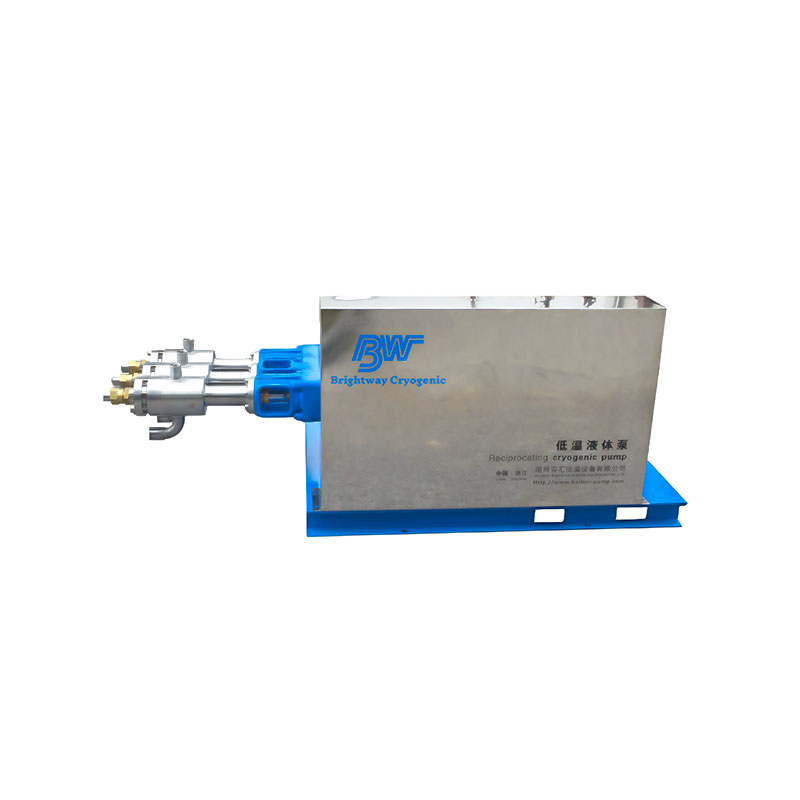
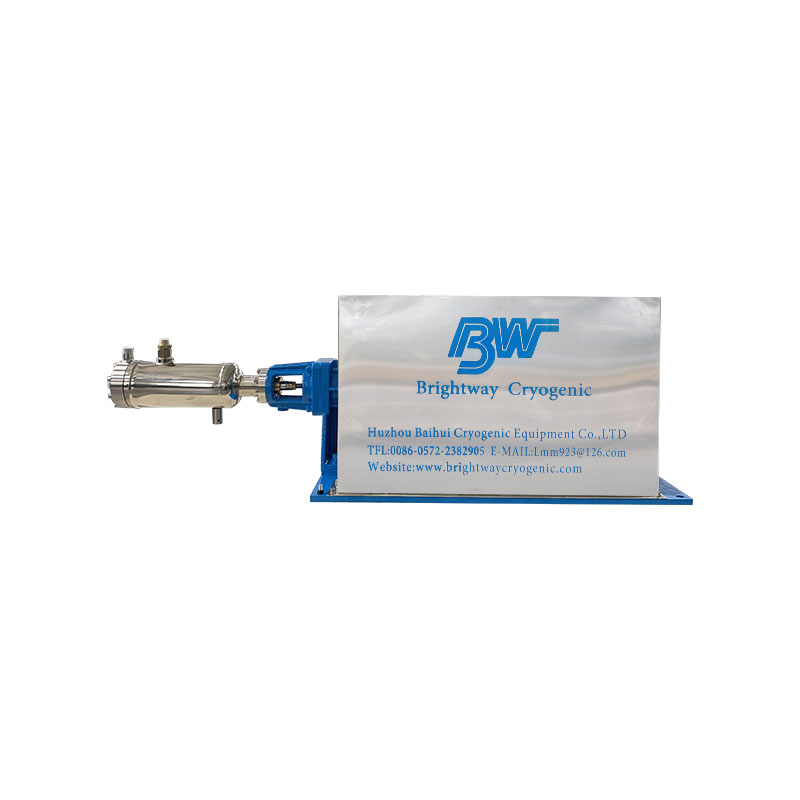
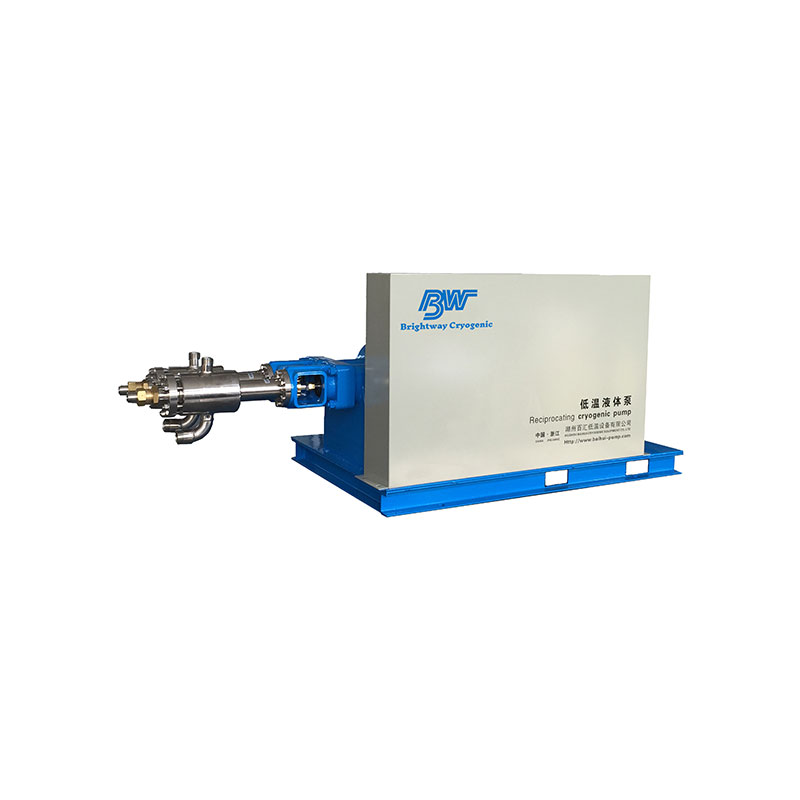
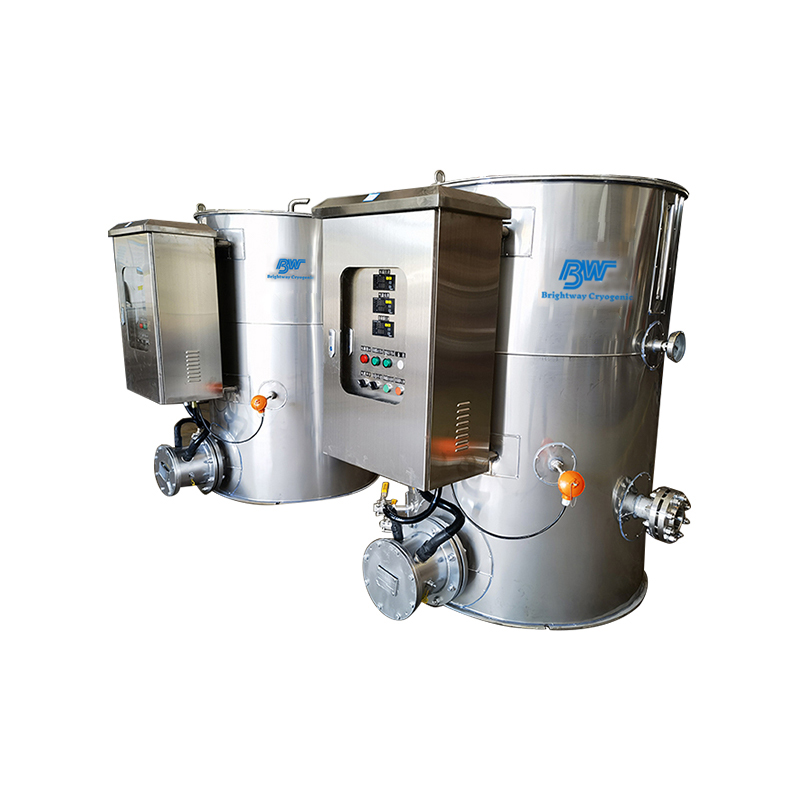
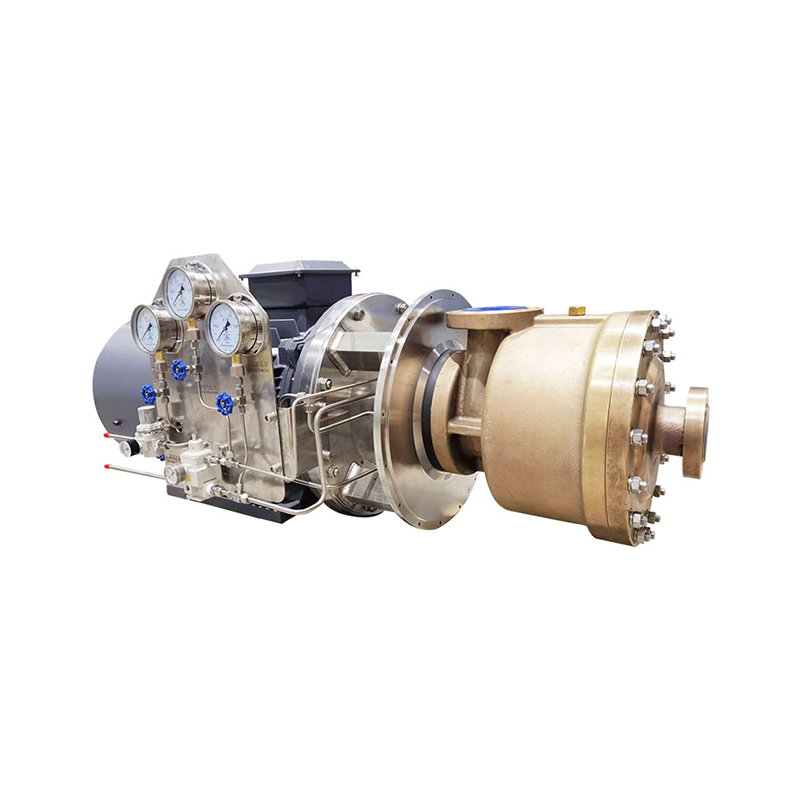
The following four pump systems represent several common cryogenic applications: industrial gas cylinder filling, CO₂ cylinder filling, cryogenic liquid transfer and LNG submerged service.
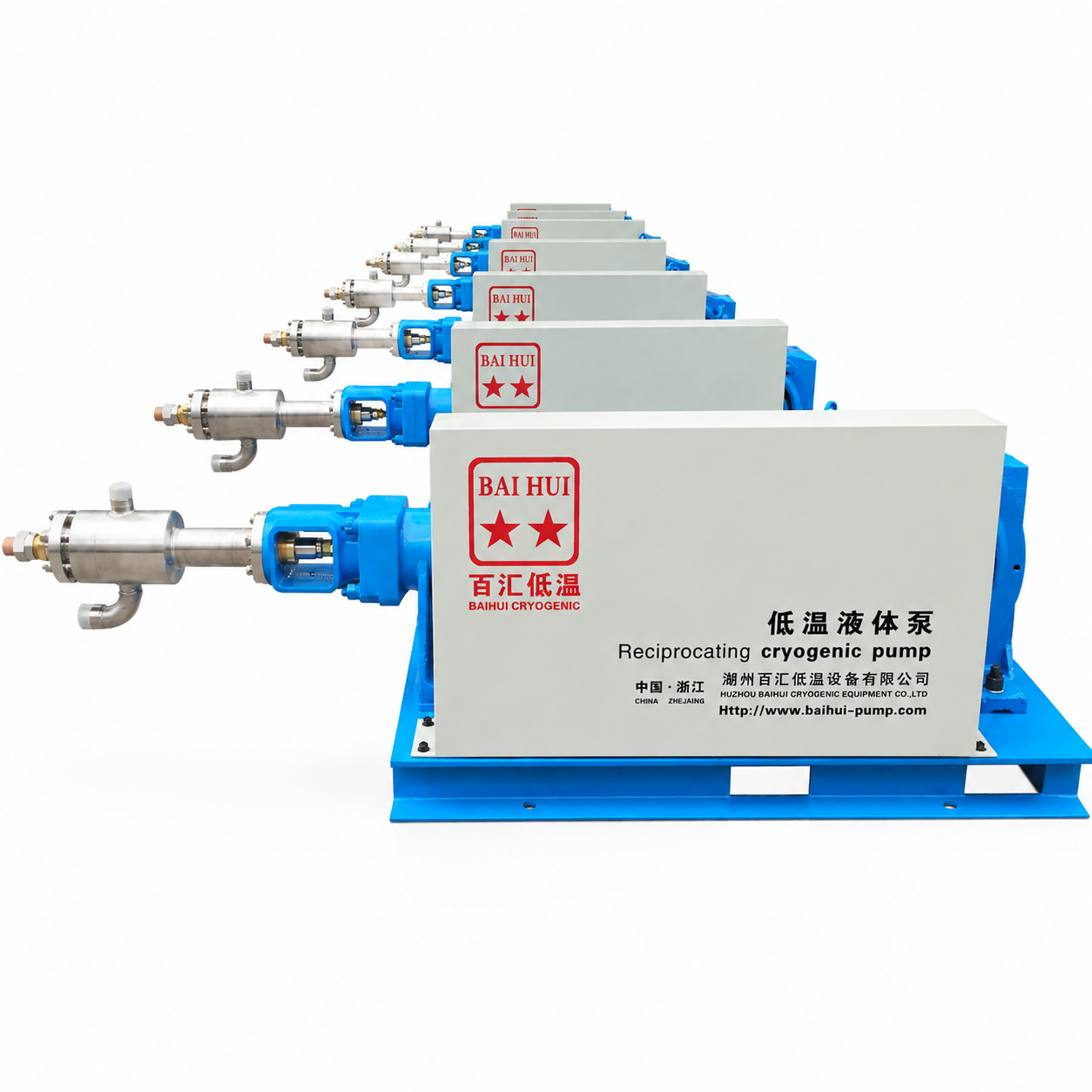
Industrial gas cylinder filling commonly involves liquid oxygen, liquid nitrogen or liquid argon.
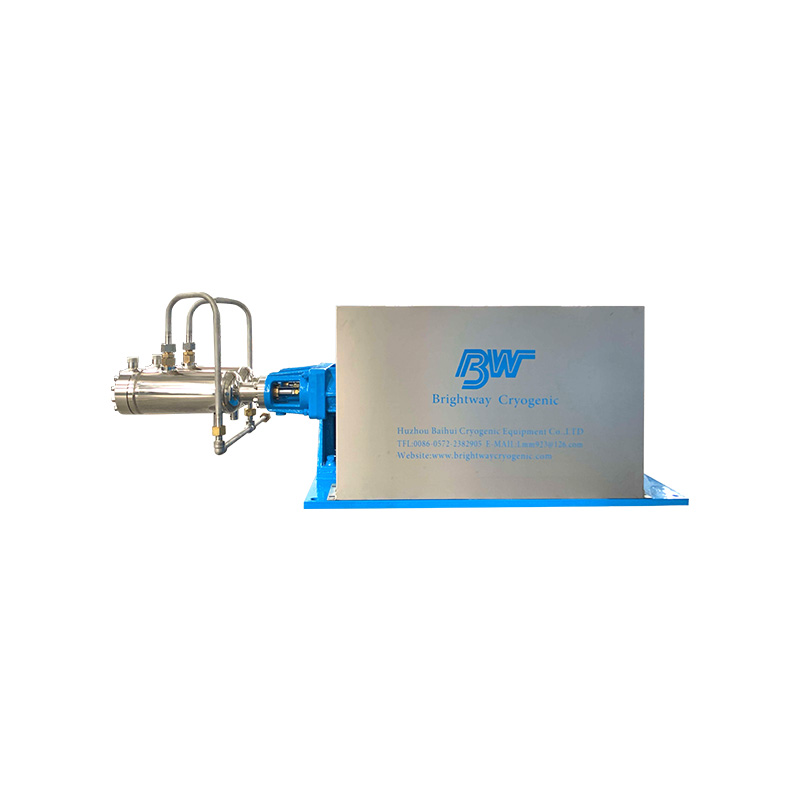
In a typical filling process, a cryogenic reciprocating pump raises the pressure of the liquid before it enters a vaporizer. The pressurized liquid is then converted into gas and delivered to the downstream cylinder filling system.
Reciprocating pumps use a piston or plunger to displace a controlled volume of liquid during each stroke. This positive-displacement principle makes them suitable for applications requiring high discharge pressure at a relatively low or moderate flow rate.
When selecting an industrial gas cylinder filling pump, several conditions should be confirmed:
For liquid oxygen service, particular attention must be given to oxygen-compatible materials, component cleanliness and the prevention of oil or combustible contamination.
The pump is only one part of the filling system. The vaporizer, valves, piping, pressure protection and filling controls must also be matched to the required flow and operating pressure.
Liquid CO₂ cylinder filling also commonly uses a reciprocating pump, but its operating conditions are different from those of liquid oxygen, nitrogen and argon.
CO₂ has a specific pressure-temperature relationship. If the pressure or temperature falls outside the required operating range, vapor formation or dry-ice blockage may occur. This can affect pump suction, flow stability and system operation.
A CO₂ cylinder filling pump should therefore be selected according to:
A pump should not automatically be considered suitable for CO₂ simply because it uses a reciprocating mechanism. Its operating range, cold-end structure, seals and supporting system must all be compatible with liquid CO₂ service.
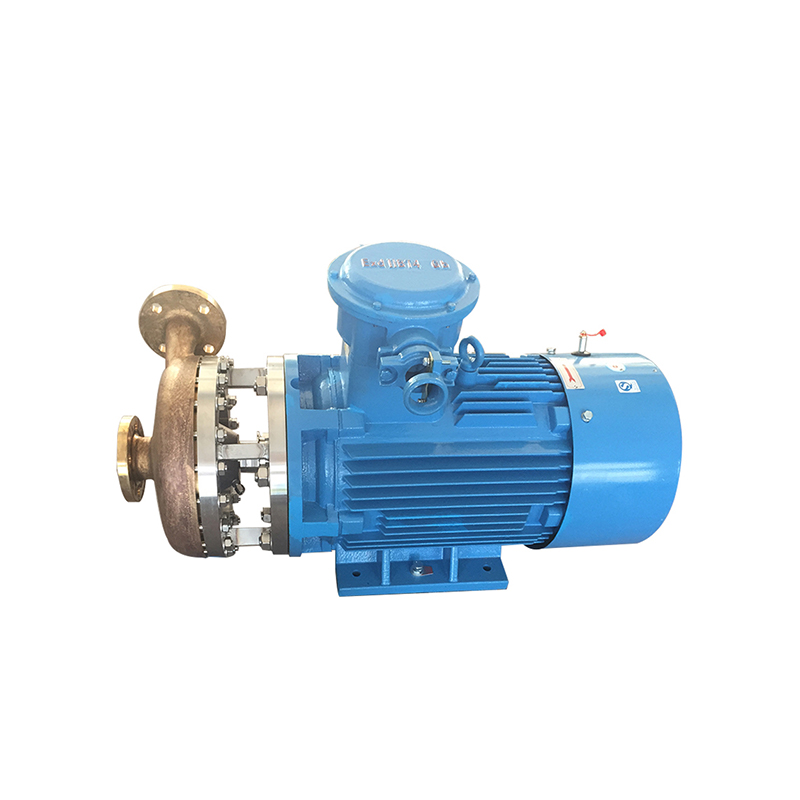
Cryogenic centrifugal pumps are generally used when an application requires continuous liquid transfer and a higher flow rate rather than the high pressure required for cylinder filling.
A rotating impeller transfers energy to the liquid and produces a continuous flow. Depending on the design and materials, cryogenic centrifugal pumps can be used for LNG, liquid oxygen, liquid nitrogen, liquid argon, liquid CO₂ and other compatible low-temperature liquids.
Typical applications include:
Important selection factors include:
Suction conditions are especially important. If the pressure at the pump inlet becomes too low, part of the cryogenic liquid may vaporize. This can cause cavitation, unstable flow, excessive vibration or loss of pump performance.
For this reason, a centrifugal pump should not be selected according to flow rate and discharge head alone. The storage tank, inlet piping and available net positive suction head must also be evaluated.
An LNG submersible pump operates with the pump and motor immersed in the cryogenic liquid.
This configuration is commonly used in LNG storage tanks, terminals and transfer systems where in-tank installation and stable suction conditions are required.
Because the unit operates inside the liquid, the design eliminates the need for a conventional external pump shaft passing through the tank. Immersion can also provide more stable inlet conditions, particularly when the pump is installed at an appropriate depth below the liquid level.
However, this arrangement introduces additional engineering requirements involving the cryogenic motor, electrical insulation, cables, bearings, installation structure and pump-removal system.
The main selection factors include:
Because LNG is flammable, the pump must be integrated into a system designed according to the applicable hazardous-area classification, control requirements and safety standards.
A submersible pump should therefore be selected as part of the complete LNG storage and transfer system, rather than as an isolated component.
The basic selection direction can be summarized as follows:
This is only an initial selection guide. Two projects handling the same liquid may still require different pump configurations because of differences in pressure, flow, tank layout, piping and operating schedule.
Before confirming a pump model, the following operating information should be provided:
Complete operating data makes it possible to determine whether a reciprocating, centrifugal or submerged pump is the appropriate starting point.
A reliable cryogenic pumping solution depends on more than the pump itself.
The inlet piping, storage tank, valves, vaporizer, instruments, pressure-relief devices, controls and operating procedures can all affect system performance. The pump must therefore be selected and configured as part of the complete system.
Huzhou Baihui Cryogenic Equipment Co., Ltd. provides cryogenic pump solutions for industrial gas cylinder filling, liquid CO₂ filling, cryogenic liquid transfer and LNG applications.
Each pump configuration is evaluated according to the customer’s liquid medium, required flow, operating pressure and installation conditions.
If you are selecting a cryogenic pump for a new project, providing complete operating data is the best first step toward an appropriate technical proposal.
 Add: Building A38, China Energy Conservation and Environmental Protection Industrial Park, No. 1506, Yishan Road, Wuxing District, Huzhou City, Zhejiang Province, China
 Phone: +86-13757082585
Telphone: +86-572-2382905
 E-Mail: [email protected]
Copyright © Huzhou Baihui Cryogenic Equipment Co.,Ltd All Rights Reserved.

 English
 русский
 Español