
Baihui Cryogenic Equipment
Huzhou Baihui Cryogenic Equipment Co., Ltd
Huzhou Baihui Cryogenic Equipment Co., Ltd

Provide you with the latest enterprise and industry news
Cryogenic pumps are widely used to transfer liquid nitrogen, liquid oxygen, liquid argon, LNG, and other low-temperature liquids. Because these fluids remain in liquid form only under specific temperature and pressure conditions, the stability of the suction system is especially important. Even a relatively small pressure drop or heat input may cause part of the liquid to vaporize before or inside the pump.
One of the most common consequences is cavitation. If it is not identified and corrected in time, cavitation can reduce flow and discharge pressure, increase vibration, damage internal components, and shorten the service life of the pump. Understanding how cavitation develops is therefore essential for the reliable operation of industrial gas filling systems, cryogenic storage installations, LNG transfer systems, and other low-temperature applications.
Cavitation occurs when the local pressure of the liquid falls below its vapor pressure. Under this condition, part of the liquid changes into vapor and forms small bubbles. As these bubbles move through the pump into a region of higher pressure, they collapse rapidly.
The collapse of vapor bubbles creates repeated pressure impacts on nearby surfaces. Over time, these impacts may cause pitting, erosion, and damage to the impeller, pump casing, seals, and other internal components.
Cryogenic liquids are particularly sensitive to cavitation because they have very low boiling temperatures. Heat entering through the storage tank, suction pipeline, valves, or pump body can cause rapid vaporization. This means that cavitation in a cryogenic pump is not only related to pump design. It is also strongly influenced by the condition of the complete liquid supply system.
Typical warning signs include unusual vibration, rattling or crackling noise, unstable pressure, reduced flow, and fluctuating motor load. However, these symptoms may also be caused by alignment problems, bearing wear, gas entering the suction line, or other operating issues. The entire system should therefore be inspected before confirming cavitation as the cause.
Insufficient net positive suction head is one of the main causes of cavitation. The pressure available at the pump inlet must remain high enough to keep the cryogenic medium in liquid form. When the available NPSH is lower than the NPSH required by the pump, vapor bubbles can begin forming near the impeller inlet.
Several system conditions can reduce the available suction pressure. These include a low liquid level in the storage tank, an excessively long suction line, a pipe diameter that is too small, partially closed valves, blocked filters, unnecessary bends, and excessive elevation differences between the tank and pump. Pressure losses that appear minor in a conventional liquid system may have a much greater effect when handling cryogenic fluids.
Inadequate pre-cooling is another frequent cause. Before startup, the pump body and connected pipeline may still be close to ambient temperature. When cryogenic liquid first enters these warmer components, part of it immediately absorbs heat and vaporizes. If the pump is started before the internal temperature becomes stable, the suction flow may contain a large amount of vapor, resulting in poor pressure buildup and unstable operation.
Heat leakage can create similar problems during normal operation. Damaged insulation, exposed piping, long standby periods, or an unsuitable installation environment may continuously introduce heat into the liquid. The resulting vapor can collect in high points of the pipeline or enter the pump inlet, interrupting the liquid supply.
Cavitation may also occur when a pump operates too far from its intended duty point. Excessive flow can increase suction losses, while very low flow may create internal recirculation and unstable hydraulic conditions. Incorrect valve positions, rapid flow changes, and frequent startup and shutdown can further disturb the system.
The first noticeable effect is often a reduction in hydraulic performance. Vapor bubbles occupy space that should be filled by liquid, so the pump may be unable to produce the expected flow or discharge pressure. Operators may observe unstable readings even when the motor and control system appear to be functioning normally.
As cavitation continues, vibration and noise usually increase. These forces can affect bearings, couplings, seals, and mounting components. A problem that begins as a hydraulic issue may gradually develop into a mechanical failure.
Repeated bubble collapse can also erode metal surfaces. The impeller is commonly affected because local pressure is often lowest around the impeller eye. Pitting and roughness change the hydraulic profile of the component, which can further reduce efficiency and make cavitation more severe.
Mechanical seals and bearings may also experience additional stress because of unstable flow, vibration, and temperature changes. If the condition is ignored, the pump may require more frequent maintenance and component replacement. In severe cases, continued operation can result in unexpected shutdowns and damage to downstream equipment.
Cavitation also affects the efficiency of the complete cryogenic system. A pump that cannot maintain stable flow may consume energy without delivering the required output. Repeated restarts, longer filling cycles, and unplanned maintenance all increase operating costs.
Effective prevention begins with proper system design. The suction line should be kept as short and direct as practical, with an appropriate diameter and minimal unnecessary restrictions. Valves, filters, and fittings should be selected according to the required flow and the characteristics of the cryogenic medium. The arrangement of the storage tank and pump should provide adequate static pressure at the pump inlet.
The selected pump must also match the actual operating conditions. Flow rate, discharge pressure, cryogenic medium, suction pressure, temperature, installation method, and expected operating frequency should all be evaluated. Selecting a pump only by motor power or nominal outlet size can lead to poor performance if the required NPSH and hydraulic operating range are not considered.
Pre-cooling procedures should be followed before every startup. Cryogenic liquid should enter the pump gradually so that the pump body and piping can cool down in a controlled manner. The pump should not be started until vapor generation has decreased and a stable liquid supply has been established. The exact procedure depends on the pump type and system configuration, so operators should follow the equipment manufacturer’s instructions.
Thermal insulation should be inspected regularly. Damaged insulation, cold spots, visible condensation, or unusual frost patterns may indicate heat leakage or unstable liquid flow. These signs should be investigated before they develop into a more serious operating problem.
During operation, pressure, flow, vibration, noise, and motor load should be monitored. Changes from the normal operating pattern can provide an early indication of suction restrictions, vapor formation, bearing problems, or other faults. Early diagnosis is generally more effective and less costly than repairing equipment after significant cavitation damage has occurred.
Cavitation is not always caused by the pump itself. It often results from the interaction between the storage tank, suction pipeline, insulation, valves, operating procedures, and pump selection. Replacing the pump without correcting the underlying system condition may therefore fail to solve the problem.
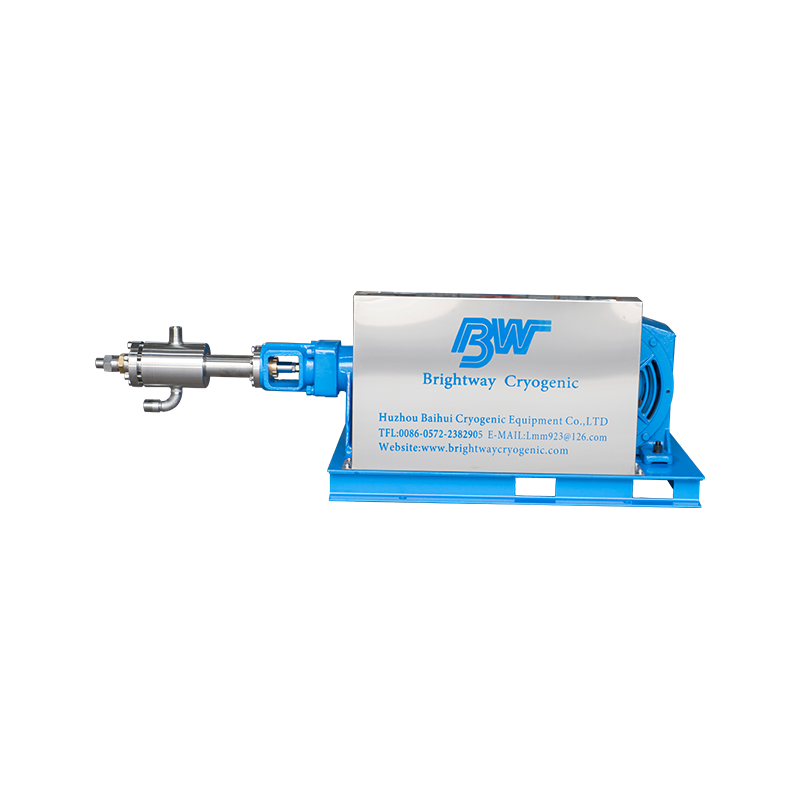
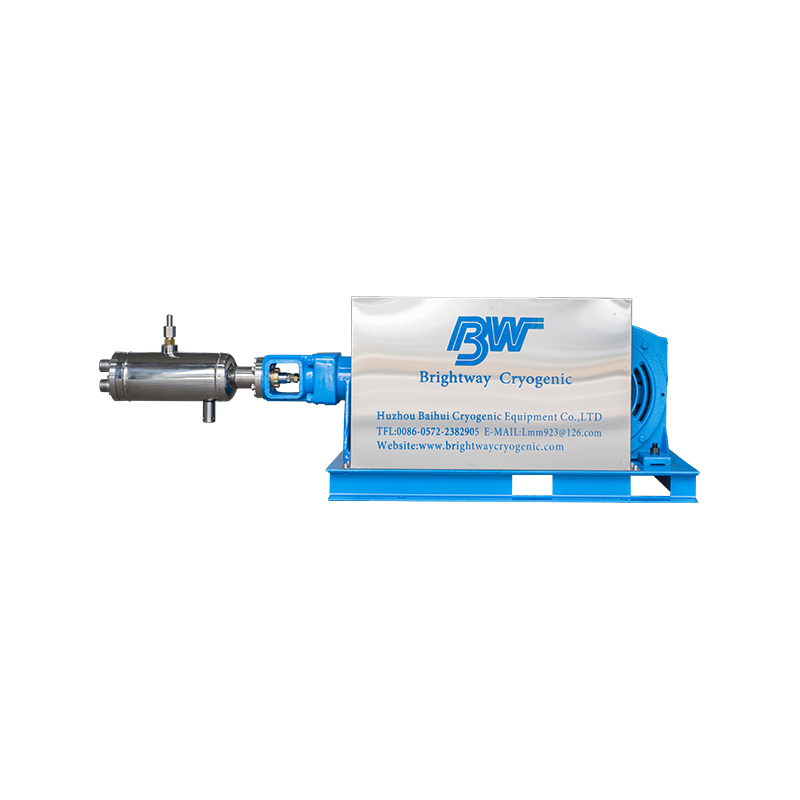
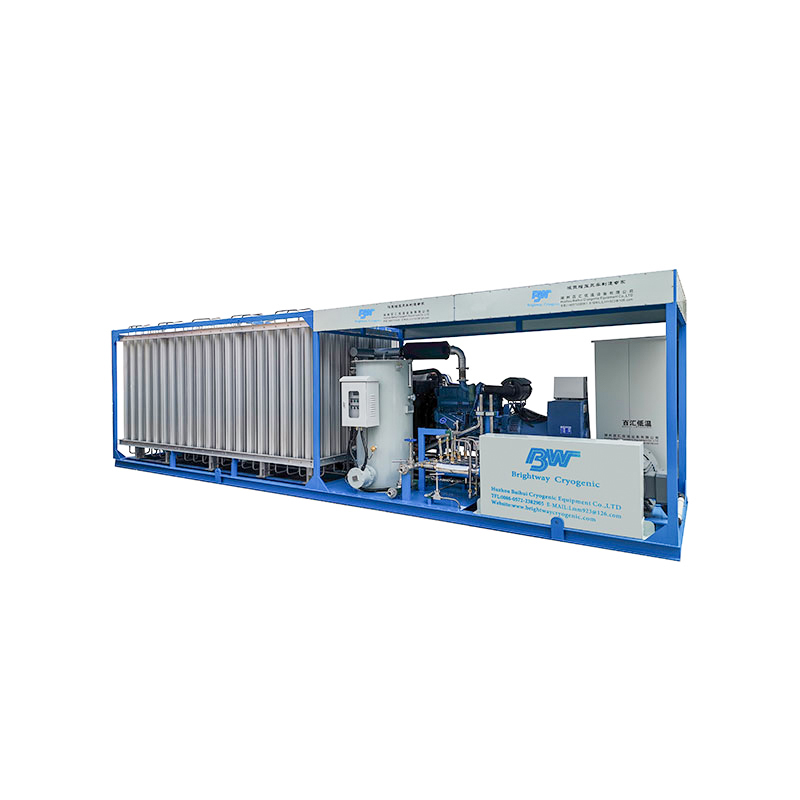
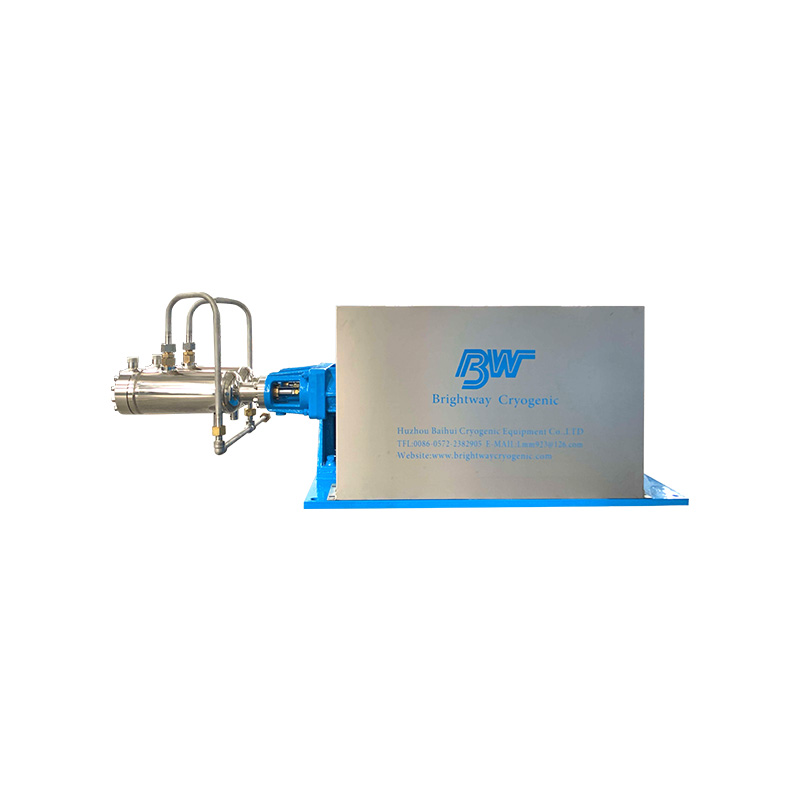
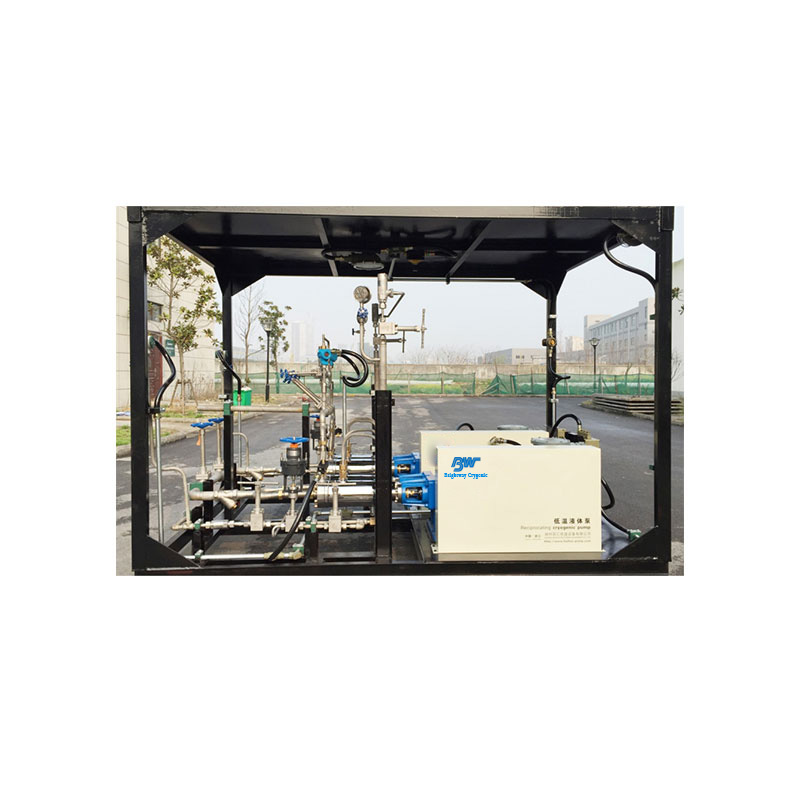
Brightway Cryogenic provides cryogenic pump and system solutions for liquid nitrogen, liquid oxygen, liquid argon, LNG, and other low-temperature applications. Depending on project requirements, the company supports cryogenic centrifugal pumps, reciprocating pumps, industrial gas filling equipment, pump skids, and customized cryogenic systems.
A reliable cryogenic pumping installation requires more than the correct pump model. Stable suction conditions, proper pre-cooling, suitable insulation, correct operating parameters, and regular inspection are equally important. By addressing these factors together, operators can reduce cavitation risk, maintain consistent performance, and extend the service life of their equipment.
Cryogenic pump cavitation develops when pressure and temperature conditions allow the liquid to vaporize inside the suction system or pump. Its effects can range from unstable flow and increased noise to impeller erosion, seal damage, higher maintenance costs, and premature equipment failure.
The most effective approach is prevention. A properly designed suction system, sufficient NPSH margin, complete pre-cooling, controlled heat leakage, correct pump selection, and regular performance monitoring can significantly reduce the likelihood of cavitation.
For industrial gas and LNG applications, evaluating the pump as part of the complete cryogenic system is the key to achieving safe, efficient, and reliable liquid transfer.
 Add: Building A38, China Energy Conservation and Environmental Protection Industrial Park, No. 1506, Yishan Road, Wuxing District, Huzhou City, Zhejiang Province, China
 Phone: +86-13757082585
Telphone: +86-572-2382905
 E-Mail: [email protected]
Copyright © Huzhou Baihui Cryogenic Equipment Co.,Ltd All Rights Reserved.

 English
 русский
 Español