Baihui Cryogenic Equipment
Huzhou Baihui Cryogenic Equipment Co., Ltd
Huzhou Baihui Cryogenic Equipment Co., Ltd

Provide you with the latest enterprise and industry news
Industrial gas filling stations need more than a cryogenic pump. They require a coordinated system that can pressurize cryogenic liquid, vaporize it efficiently and deliver the gas to cylinders under controlled conditions.
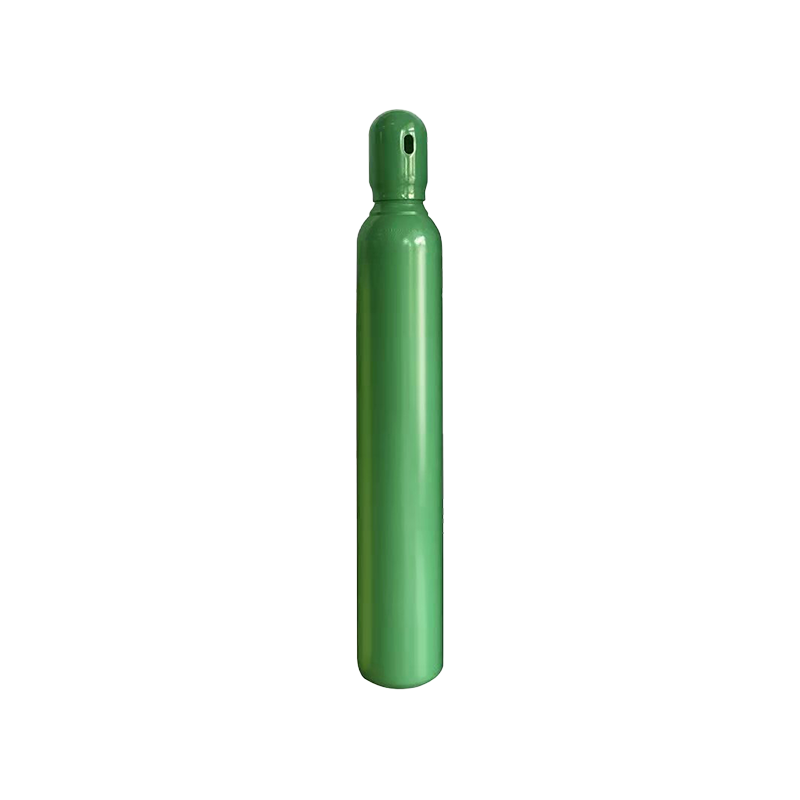
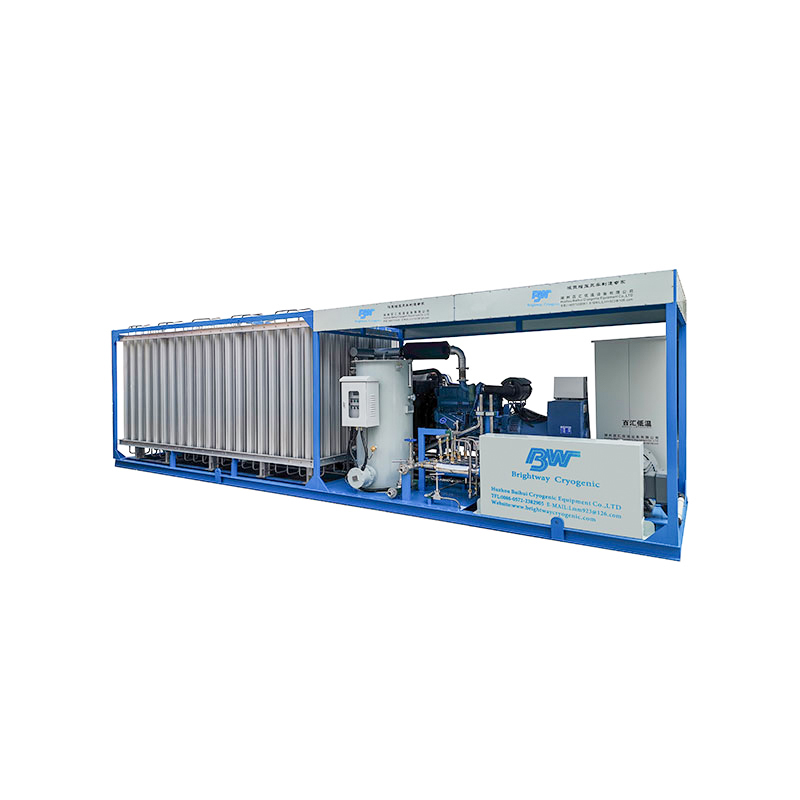
An oxygen, nitrogen and argon cylinder filling pump skid integrates these key functions into one compact structure. Compared with assembling separate components on site, the skid-mounted design can simplify installation, reduce field piping work and make operation and maintenance more convenient.
The system starts with cryogenic liquid stored in a low-temperature storage tank. Depending on the application, the medium may be liquid oxygen, liquid nitrogen or liquid argon.
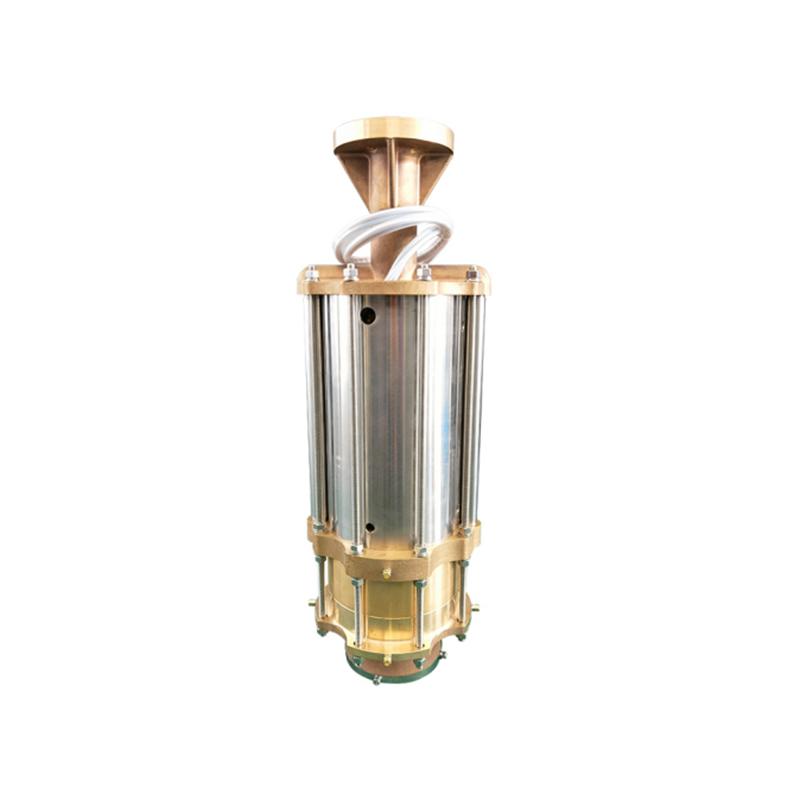
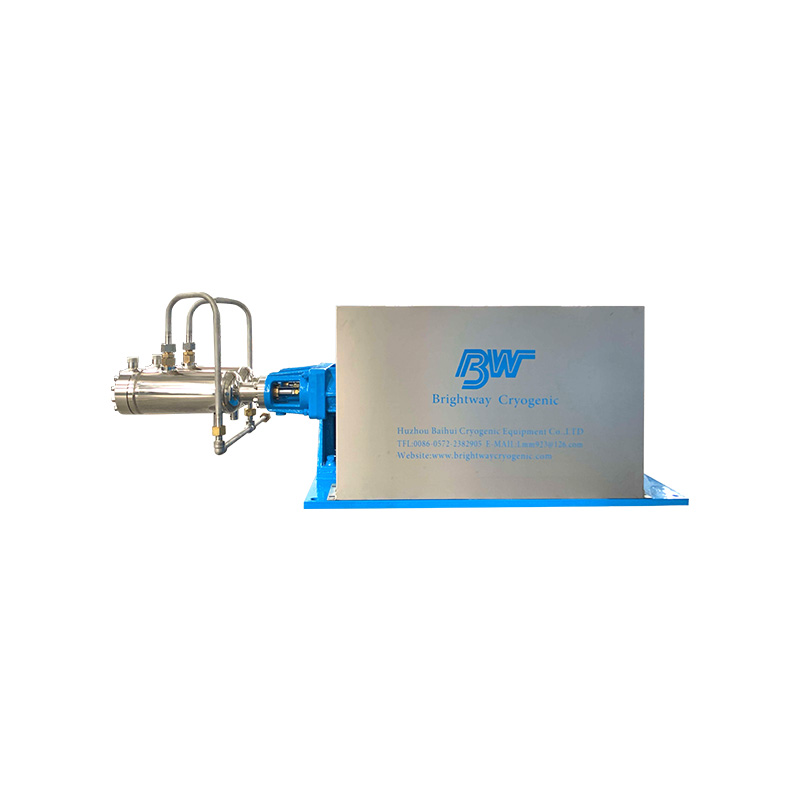
The cryogenic liquid first enters a reciprocating cryogenic pump. Through the reciprocating movement of the piston, the pump raises the liquid to the required discharge pressure while it is still in the liquid phase.
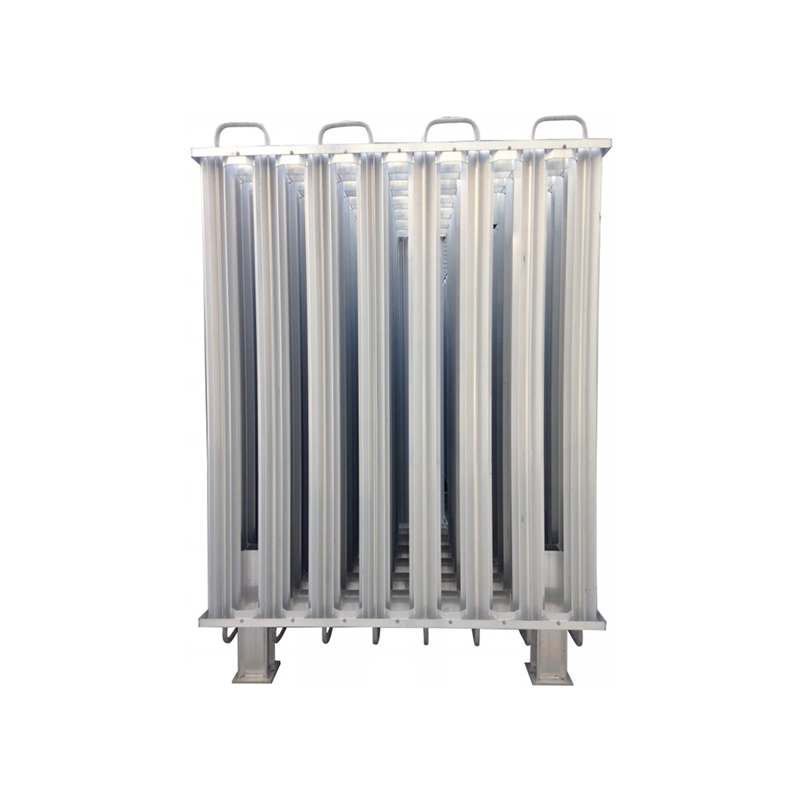
The pressurized liquid then flows into the ambient vaporizer. Heat from the surrounding air converts the cryogenic liquid into gas. After vaporization, the high-pressure gas passes through the filling manifold and enters the connected cylinders.
The basic process is:
Cryogenic storage tank → reciprocating cryogenic pump → ambient vaporizer → filling manifold → gas cylinders
Pressurizing the medium in its liquid state is an established approach for high-pressure oxygen, nitrogen and argon cylinder-filling applications. Reciprocating cryogenic pumps are particularly suitable where high discharge pressure and controlled flow are required.
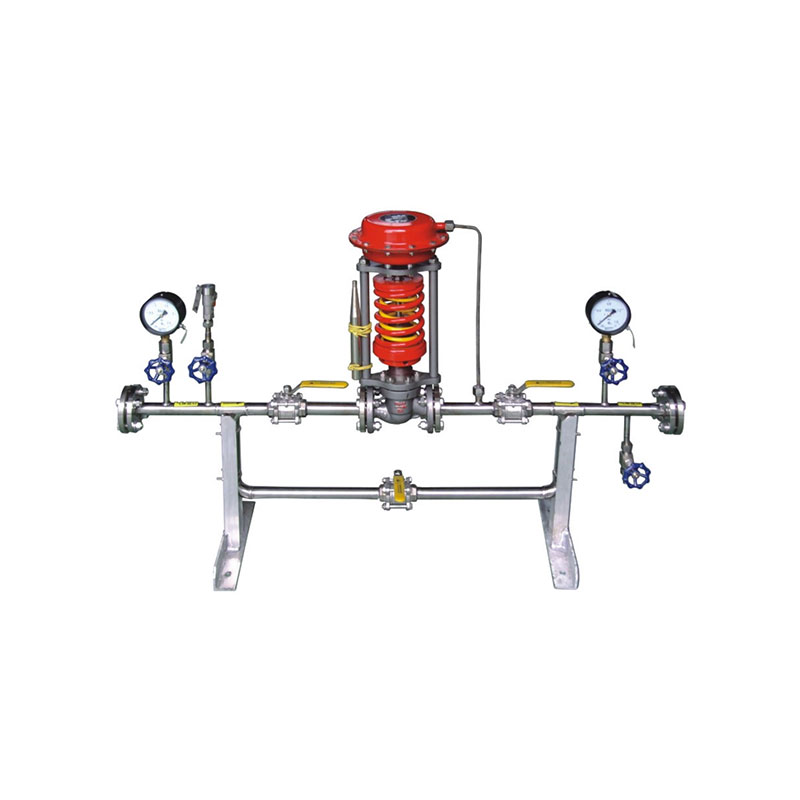
A typical cylinder-filling pump skid may include:
The final configuration should be selected according to the filling medium, required pressure, filling capacity, operating schedule and local safety requirements.
The skid-mounted arrangement places the main equipment, piping and instruments on a common frame. This provides several practical advantages for a filling station.
Simplified site installation
Much of the piping and structural assembly can be completed before delivery, reducing installation work at the customer’s site.
Compact equipment layout
The integrated structure helps industrial gas plants make more efficient use of available space.
Convenient maintenance
The pump, valves, gauges and other main components are arranged within one accessible operating area.
Flexible project configuration
The system can be configured for liquid oxygen, nitrogen or argon and adapted to different filling pressures and production requirements.
Clearer system integration
Combining the pump, vaporizer, filling pipeline and controls allows the equipment to be designed as a coordinated process rather than as unrelated individual components.
Cryogenic cylinder filling involves low temperatures, high pressure and rapid liquid-to-gas expansion. Oxygen service also requires strict control of cleanliness and combustible contamination.
The system must therefore be designed, installed and operated according to the applicable regulations and gas-specific requirements. Important considerations include proper pre-cooling, pressure-relief protection, compatible materials, oxygen-service cleaning where required, adequate ventilation and trained operation.
The pump must never be operated without confirming the correct inlet condition and adequate liquid supply. Filling pressure, vaporizer capacity and cylinder condition must also be monitored throughout operation.
Before specifying a system, the following information should be confirmed:
These details determine the appropriate pump model, vaporizer area, pipeline arrangement, control method and safety configuration.
A reliable cylinder-filling station depends on the performance of the complete system—not only the pump.
Huzhou Baihui Cryogenic Equipment Co., Ltd. provides cryogenic reciprocating pumps and integrated filling skid solutions for oxygen, nitrogen and argon applications. Each system can be configured according to the customer’s operating medium, pressure, flow and site requirements.
For project consultation, please provide the gas medium, filling pressure, cylinder quantity and required filling capacity.
 Add: Building A38, China Energy Conservation and Environmental Protection Industrial Park, No. 1506, Yishan Road, Wuxing District, Huzhou City, Zhejiang Province, China
 Phone: +86-13757082585
Telphone: +86-572-2382905
 E-Mail: [email protected]
Copyright © Huzhou Baihui Cryogenic Equipment Co.,Ltd All Rights Reserved.

 English
 русский
 Español