
Baihui Cryogenic Equipment
Huzhou Baihui Cryogenic Equipment Co., Ltd
Huzhou Baihui Cryogenic Equipment Co., Ltd

Provide you with the latest enterprise and industry news
Stable flow and discharge pressure are important indicators of correct cryogenic pump operation. When the pressure gauge fluctuates, the flow rate decreases or the pump repeatedly loses capacity, the pump itself is not always the only possible cause.
Cryogenic liquids operate close to their boiling points. A small increase in temperature or reduction in inlet pressure can produce vapor inside the suction line. Tank conditions, piping design, pre-cooling, filters, valves, pump speed and downstream equipment can therefore all influence pump performance.
This article focuses mainly on reciprocating cryogenic pumps used for industrial gas filling and high-pressure supply. Many of the suction-side principles also apply to centrifugal cryogenic pumps, although the internal operating mechanisms are different.
Before startup, the pump cold end and connected piping are much warmer than the cryogenic liquid. When liquid first enters these components, it absorbs heat and begins to vaporize.
The pump therefore requires sufficient pre-cooling before normal operation. If it starts too early, a mixture of liquid and vapor may enter the cold end. This two-phase flow can reduce pumping efficiency and cause unstable pressure.
Common symptoms include:
Visible frost on the outside of the pump does not necessarily mean that the complete cold end has reached the correct temperature. Where the system design allows, pre-cooling should be confirmed through the suction-return temperature or another suitable temperature-monitoring point.
A cryogenic pump requires adequate inlet pressure to keep the liquid in a stable liquid state.
If the pressure at the pump inlet falls too close to or below the liquid’s vapor pressure, vapor bubbles may form. This can lead to cavitation, partial loss of prime, vibration and reduced flow.
Insufficient inlet pressure may result from:
Increasing the tank pressure may improve the available suction condition in some systems, but it should only be done within the tank and process design limits. It should not be treated as a universal solution without identifying the underlying cause.
The suction pipe has a direct effect on the liquid condition at the pump inlet.
Long pipe runs, undersized piping, unnecessary elbows and sudden changes in pipe diameter increase frictional pressure loss. Long horizontal sections or local high points may also allow vapor to collect inside the pipe.
The suction line should generally be:
A larger pump cannot compensate for poor suction piping. In fact, installing a higher-capacity pump may increase inlet demand and make vapor formation or cavitation more severe.
An inlet filter protects the pump cold end from particles and debris. However, contamination accumulated in the filter creates additional resistance.
A partially blocked filter may still allow the pump to operate at a low capacity, but the flow or pressure may become unstable when the required output increases. This can easily be mistaken for cold-end wear or insufficient pump capacity.
The filter should be accessible for inspection and cleaned or replaced according to the operating conditions and manufacturer’s maintenance instructions.
Filter material and cleanliness requirements are especially important in liquid oxygen service.
Cryogenic reciprocating pump installations commonly include a liquid feed line and a suction-return or degassing line.
If the feed valve is not fully open, the pump may not receive enough liquid. If the return line is incorrectly operated, vapor may remain inside the cold end or pre-cooling circulation may be affected.
Before dismantling the pump, operators should confirm:
Valve positions should always follow the operating procedure for the specific system.
A reciprocating cryogenic pump depends on internal suction and discharge valves to control liquid movement during each piston stroke.
If these valves are worn, contaminated, damaged or stuck, they may not seal correctly. Part of the liquid can flow backward, reducing the actual volume delivered by the pump.
Possible symptoms include:
Internal valves should only be inspected after the suction conditions, filter, external valves and pre-cooling procedure have been checked.
Mechanical wear can cause internal leakage and reduce volumetric efficiency.
Worn piston rings or cylinder surfaces allow part of the liquid to bypass the normal pumping path. Worn gland seals may also cause leakage around the piston rod.
This type of performance loss is often gradual rather than sudden. Typical signs include longer filling time, declining capacity and the need for higher speed to achieve the previous output.
Operating hours, maintenance records and previous performance data can help determine whether the problem is caused by normal component wear.
The cold end may be operating correctly, while the drive system fails to provide consistent speed or stroke.
Possible causes include:
Pump speed should be measured under actual load rather than estimated from the control-panel setting alone.
Increasing speed without checking the manufacturer’s allowable operating range can accelerate wear and increase suction demand. It may also make cavitation more likely.
Reciprocating pumps generate pulsating flow because liquid is delivered in separate piston strokes. A certain amount of pressure movement is therefore normal.
However, excessive pulsation may occur when:
The discharge pressure gauge or transmitter should be installed at an appropriate monitoring point, normally after the pulsation-control device where applicable.
It is important to distinguish regular, stroke-related pulsation from random pressure changes caused by vapor entry, valve leakage or unstable downstream demand.
Unstable discharge pressure may also originate downstream of the pump.
Possible causes include a restricted vaporizer, rapidly changing filling demand, incorrect cylinder-bank switching, unstable pressure-control valves or partially closed discharge valves.
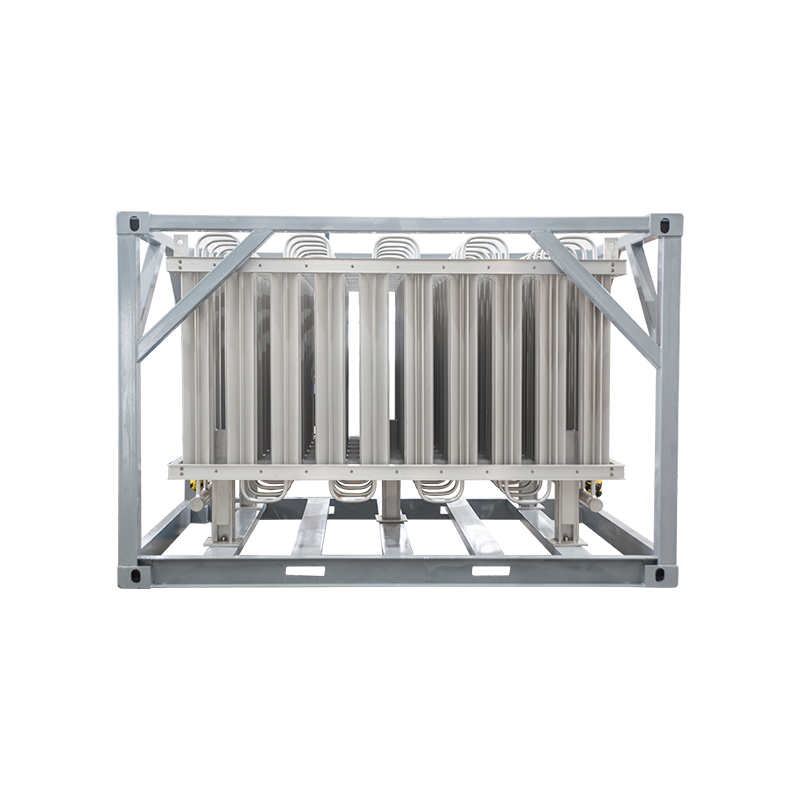
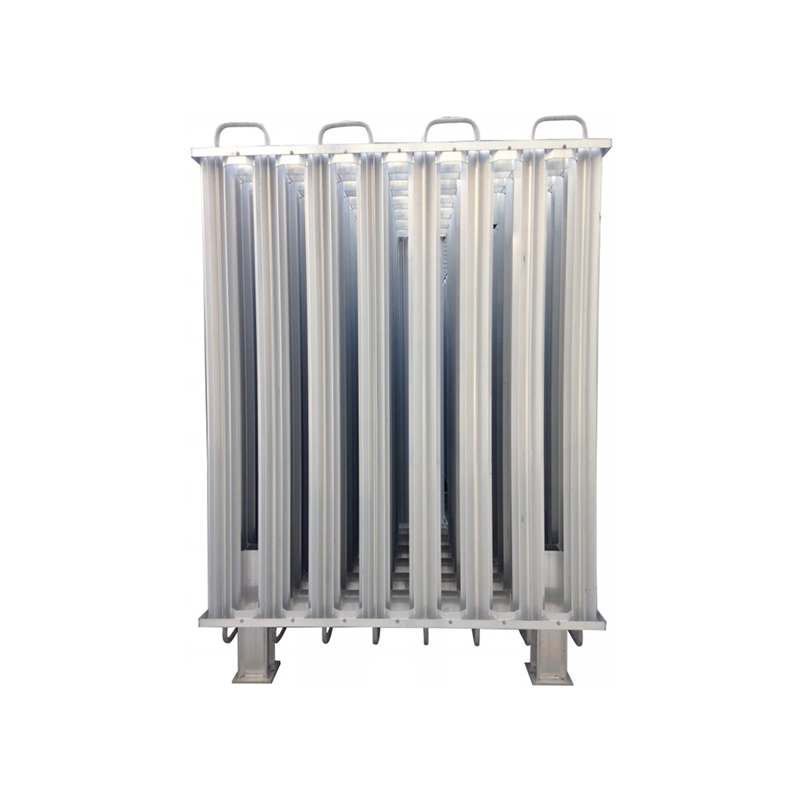
If the vaporizer capacity is not matched to the pump flow, the downstream gas temperature and pressure may also become unstable. Frost accumulation on an ambient vaporizer can reduce its heat-transfer capacity during continuous operation.
The pump, vaporizer, filling manifold and control system should therefore be evaluated as one complete system.
When flow or pressure is unstable, troubleshooting should begin with the simplest external conditions before the pump is dismantled.
First, record the liquid medium, storage-tank pressure, liquid level, pump speed, suction temperature, discharge pressure and operating time.
Next, confirm that the pump has been fully pre-cooled and is receiving a continuous liquid supply. Check the feed and return valves, inlet filter, suction piping and insulation.
The drive system and downstream equipment should then be inspected. If these conditions are normal, the suction valves, discharge valves, piston rings, seals and other cold-end components can be examined.
This sequence helps avoid unnecessary replacement of pump components when the actual problem is located elsewhere in the system.
Cryogenic pump inspection involves low temperatures, trapped liquid, high pressure and rapid pressure increases caused by vaporization.
The system should be isolated, depressurized, warmed and purged according to the applicable operating and maintenance procedures before disassembly.
Liquid oxygen service requires particularly strict control of materials, cleanliness, lubricants and contamination. LNG and liquid CO₂ systems have different phase behavior and safety requirements and should be evaluated according to their specific operating standards.
Unstable cryogenic pump flow or pressure can result from incomplete pre-cooling, vapor formation, insufficient inlet pressure, unsuitable piping, blocked filters, incorrect valve positions, mechanical wear or downstream process changes.
The pump should not be evaluated separately from the storage tank and piping system. A correctly selected pump can only perform reliably when it receives a stable liquid supply and operates within the intended pressure, flow and speed range.
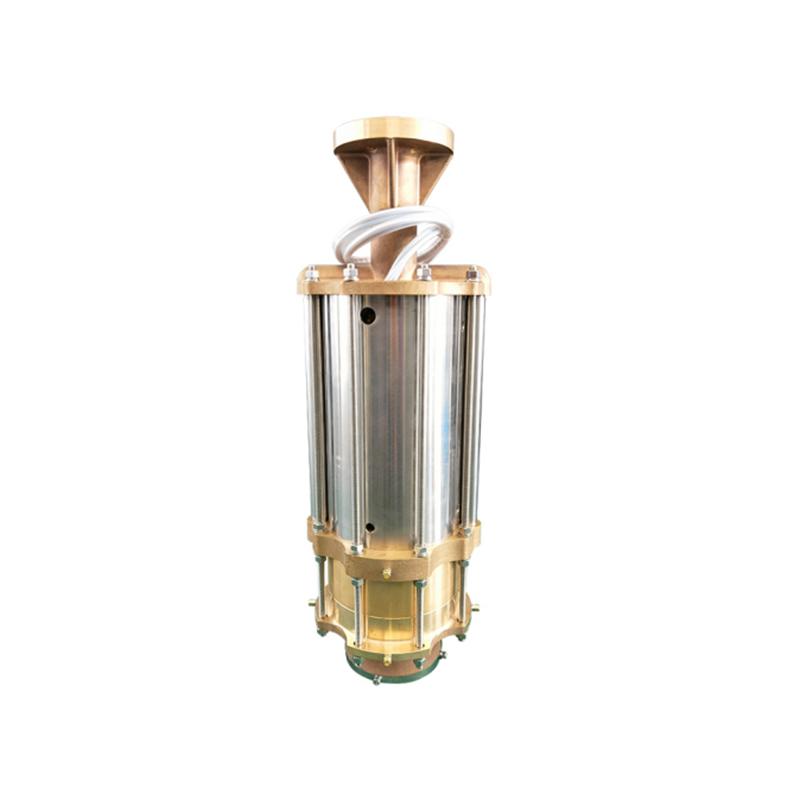
Huzhou Baihui Cryogenic Equipment Co., Ltd. supplies cryogenic reciprocating pumps, centrifugal pumps, submerged pumps and integrated pump systems. By evaluating the cryogenic liquid, pressure, flow, tank conditions, piping arrangement and operating requirements, we help customers select a pump configuration suited to the complete process system.
 Add: Building A38, China Energy Conservation and Environmental Protection Industrial Park, No. 1506, Yishan Road, Wuxing District, Huzhou City, Zhejiang Province, China
 Phone: +86-13757082585
Telphone: +86-572-2382905
 E-Mail: [email protected]
Copyright © Huzhou Baihui Cryogenic Equipment Co.,Ltd All Rights Reserved.

 English
 русский
 Español