
Baihui Cryogenic Equipment
Huzhou Baihui Cryogenic Equipment Co., Ltd
Huzhou Baihui Cryogenic Equipment Co., Ltd

Provide you with the latest enterprise and industry news
Cryogenic pumps are essential components in industries where liquefied gases need to be transferred, pressurized, and supplied reliably under extremely low-temperature conditions. From industrial gas production and medical oxygen systems to LNG infrastructure and advanced manufacturing, cryogenic pumps provide the critical connection between storage systems and end-use applications.
Unlike conventional pumps, cryogenic pumps are specifically designed to handle liquids that exist at temperatures below -150°C, such as liquid nitrogen (LIN), liquid oxygen (LOX), liquid argon (LAR), and liquefied natural gas (LNG). These extremely low-temperature fluids create unique challenges for equipment design, including material selection, thermal insulation, vaporization control, and operational stability.
With the continued growth of industrial gas demand and the global transition toward cleaner energy solutions, reliable cryogenic liquid transfer technology has become increasingly important.
A cryogenic pump is a specialized pumping system designed to transfer and increase the pressure of cryogenic liquids while maintaining stable performance at extremely low temperatures.
Cryogenic liquids are commonly stored in insulated tanks to reduce heat transfer and maintain their liquid state. However, when these liquids need to be delivered to filling stations, production equipment, or transportation systems, a pump is required to overcome pressure differences and provide controlled flow.
The main difference between cryogenic pumps and conventional pumps is their ability to operate under conditions. The pump structure, materials, sealing system, and insulation design must all be optimized to prevent problems such as excessive vaporization, cavitation, and mechanical failure.
Common cryogenic media include liquid nitrogen, liquid oxygen, liquid argon, and LNG. Each application has different requirements depending on operating pressure, flow rate, safety standards, and system configuration.
The operating principle of a cryogenic pump is similar to other industrial pumps, where mechanical energy is converted into hydraulic energy to move fluid. However, cryogenic applications require additional considerations due to the physical properties of low-temperature liquids.
During operation, cryogenic liquid enters the pump from a storage tank through the suction line. The rotating impeller or pumping mechanism then transfers energy to the liquid, increasing its velocity and pressure. The pressurized liquid is subsequently delivered to downstream equipment such as gas filling systems, process equipment, or LNG fueling systems.
Maintaining stable operating conditions is critical because cryogenic liquids can easily absorb heat from the surrounding environment and begin to vaporize. Excessive gas generation inside the pump can reduce efficiency and affect system reliability. Therefore, cryogenic pump design focuses heavily on thermal management, proper pre-cooling procedures, and minimizing heat leakage.
Different industrial applications require different types of cryogenic pumps.
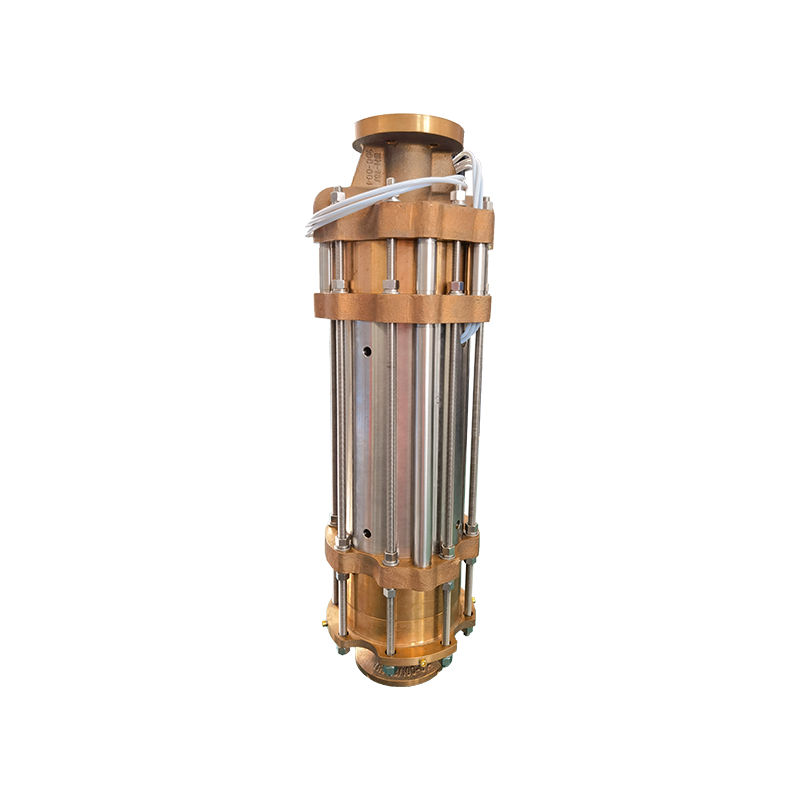
Cryogenic centrifugal pumps are widely used for applications requiring continuous operation and high flow rates. They are commonly found in industrial gas plants, liquid nitrogen supply systems, LNG transfer facilities, and large-scale cryogenic installations. Their advantages include efficient operation, compact design, and suitability for automated systems.
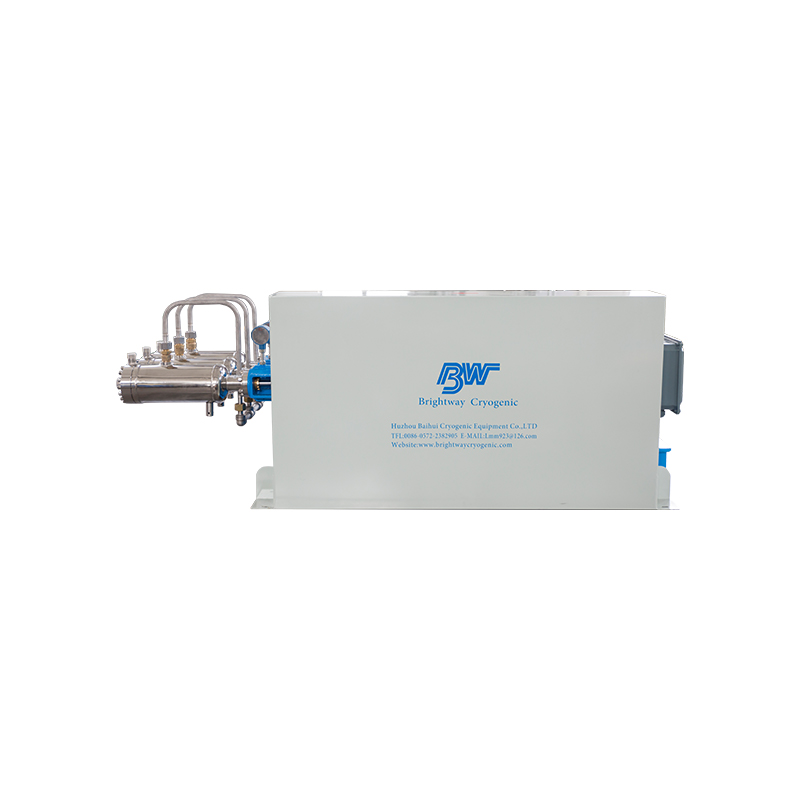
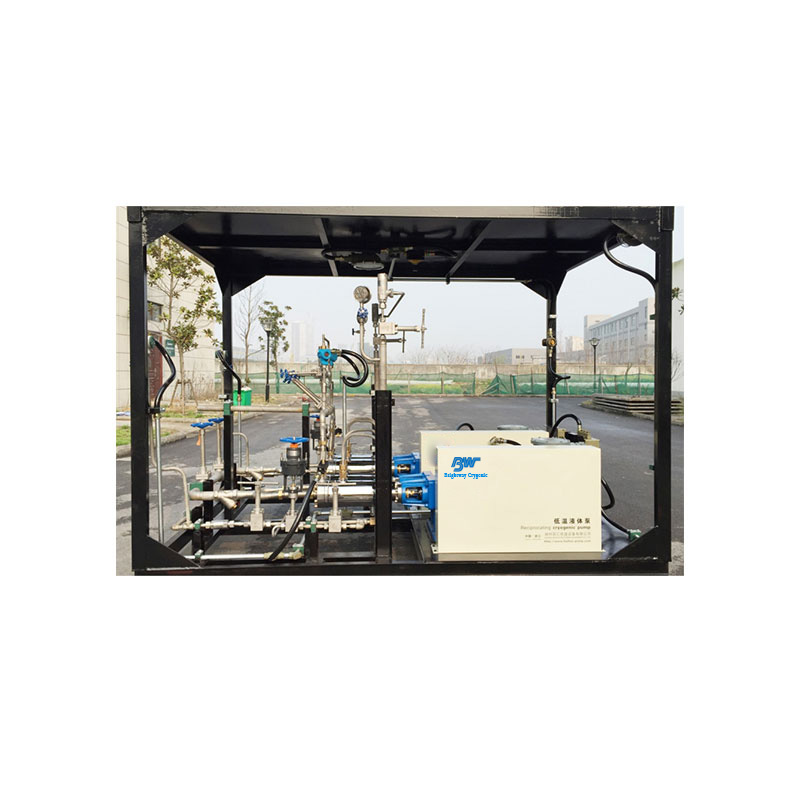
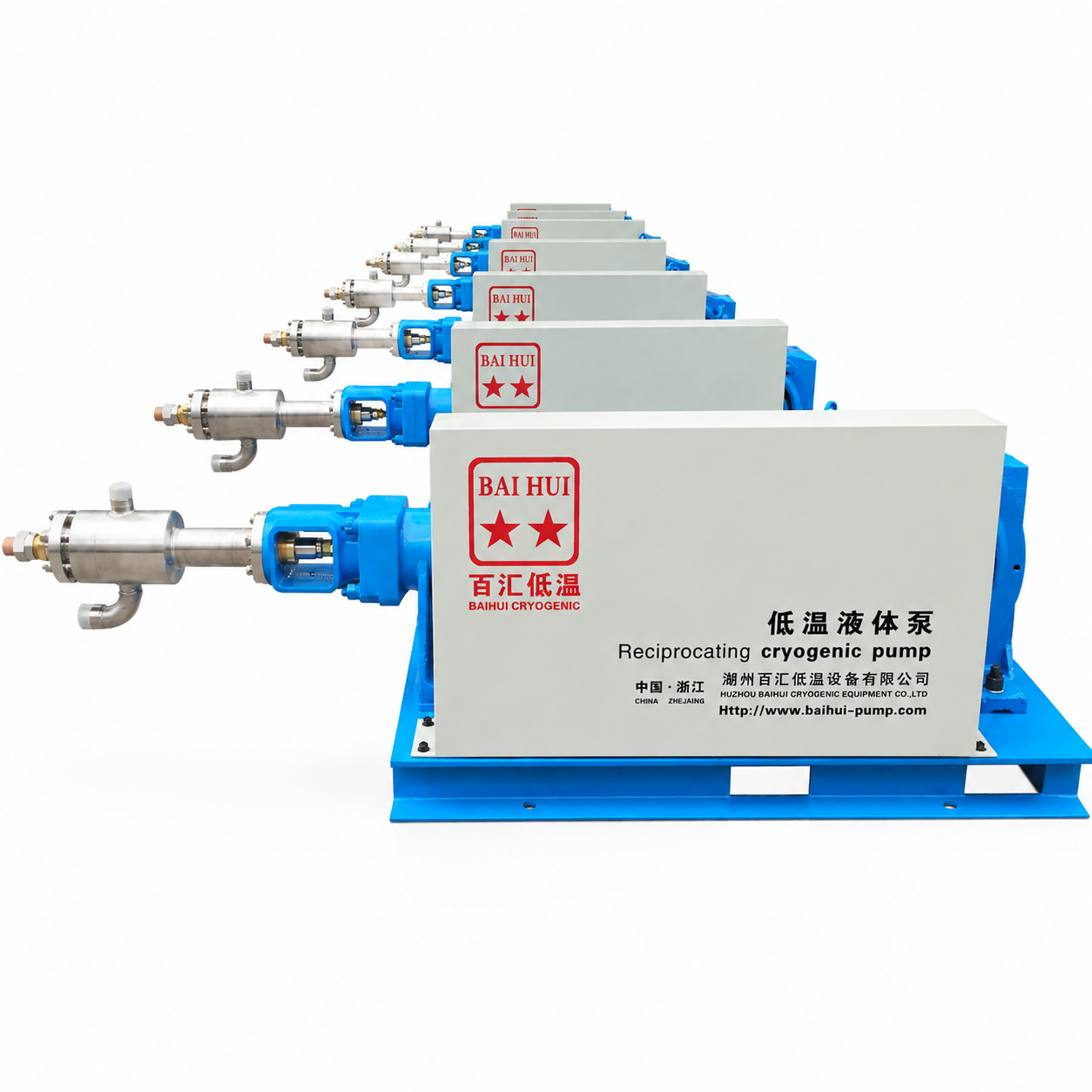
Cryogenic reciprocating pumps are typically used when higher pressure is required. Through piston-based compression, these pumps provide accurate flow control and are often applied in industrial gas cylinder filling systems and high-pressure gas applications.
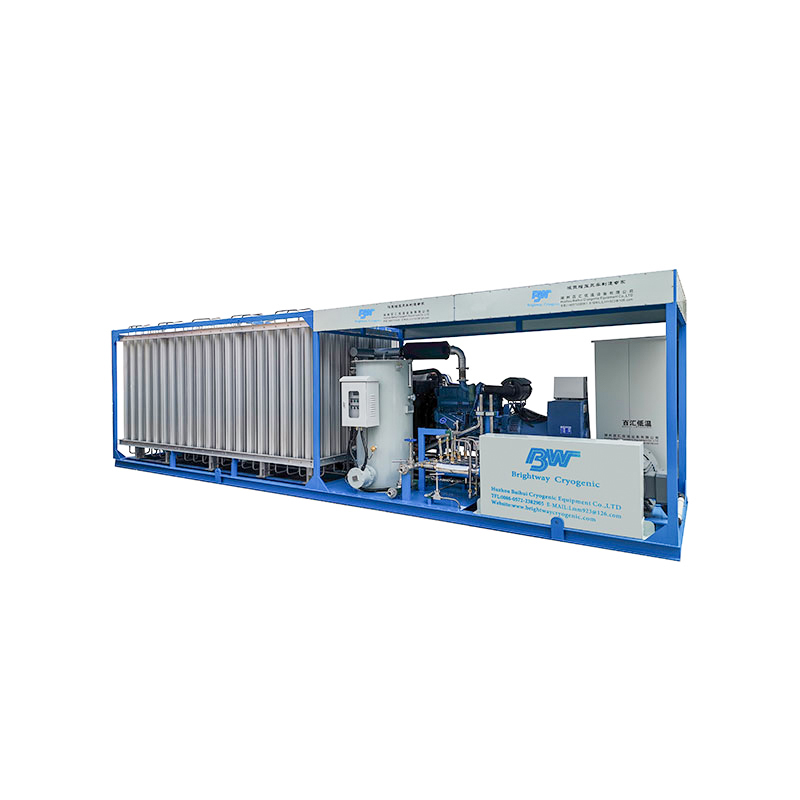
For mobile and flexible applications, vehicle-mounted cryogenic pump skids integrate pumps, valves, pipelines, and control systems into a complete package. These systems are widely used for mobile LNG supply, temporary gas supply, and customized cryogenic projects where installation flexibility is important.
The selection of the appropriate pump type depends on various factors, including the cryogenic medium, required flow rate, discharge pressure, operating environment, and customer application requirements.
Reliable cryogenic pump performance requires careful engineering in several areas.
Material selection is one of the important factors. Components must maintain mechanical strength and stability under extremely low temperatures. Stainless steel and other specially selected materials are commonly used to ensure long-term reliability.
Thermal insulation is another critical consideration. Effective insulation reduces heat transfer from the external environment and minimizes liquid evaporation during operation. This helps improve efficiency and maintain stable performance.
Mechanical reliability is equally important. Components such as impellers, shafts, bearings, and sealing systems must be precisely designed and manufactured to ensure continuous operation in demanding industrial environments.
For applications involving liquid oxygen or LNG, safety requirements become even more important. Equipment design must consider leakage prevention, material compatibility, and operational safety to ensure reliable use throughout the system lifecycle.
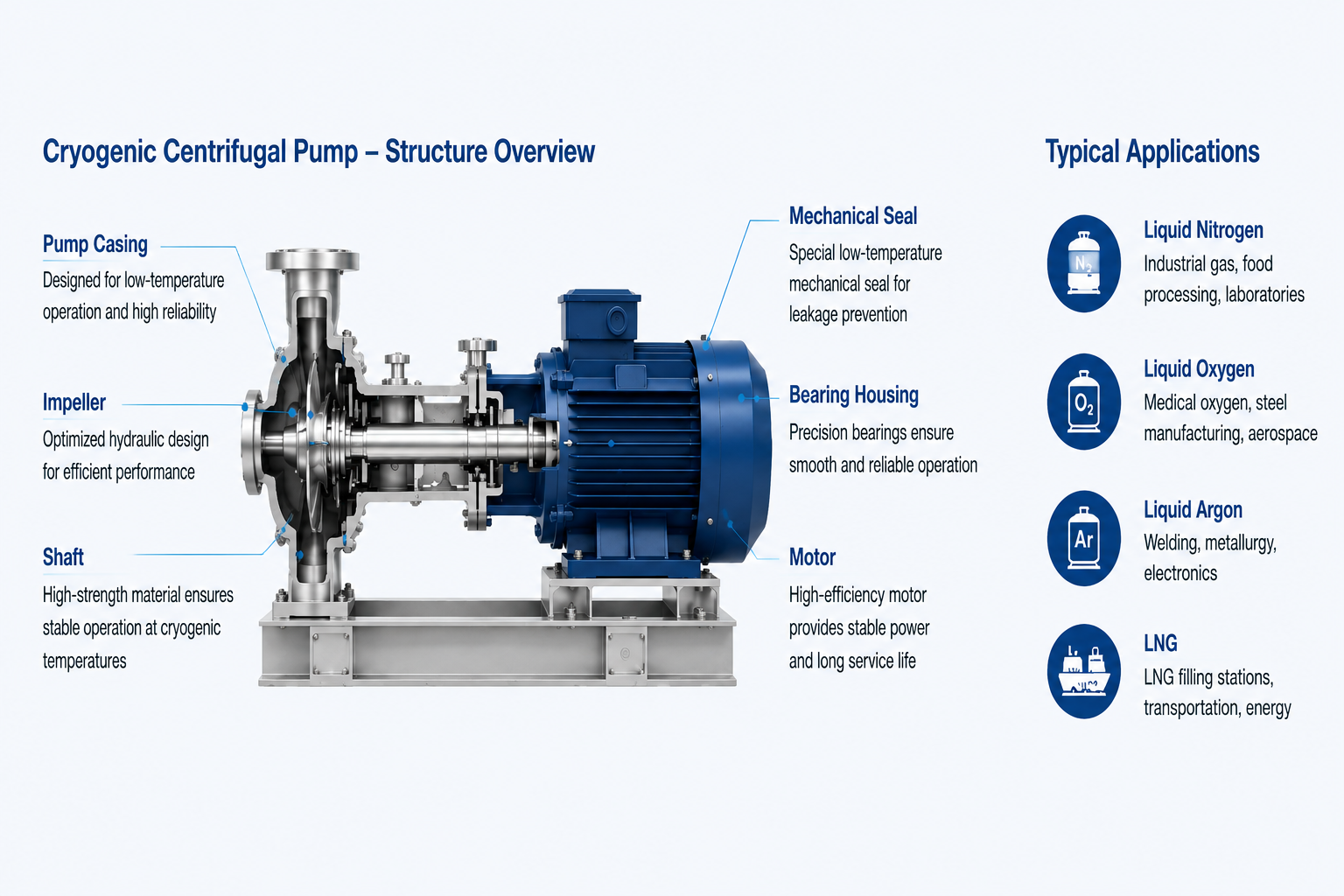
Cryogenic pumps are widely used across multiple industries.
In the industrial gas sector, cryogenic pumps are essential for transferring liquid nitrogen, oxygen, and argon from storage tanks to filling systems and distribution networks. They support applications including cylinder filling, bulk gas supply, and industrial manufacturing processes.
In the LNG industry, cryogenic pumps play a key role in LNG transportation, storage, and fueling infrastructure. As LNG continues to be adopted as a cleaner energy source, demand for reliable LNG pump systems continues to increase.
Cryogenic pumps are also used in medical oxygen systems, aerospace applications, semiconductor manufacturing, and other advanced industries where high-purity cryogenic fluids are required.
Selecting the correct cryogenic pump requires a comprehensive understanding of the operating conditions and application requirements.
Important factors include the type of cryogenic liquid, required flow capacity, discharge pressure, installation method, operating frequency, and maintenance expectations.
A suitable pump solution should not only meet current operating requirements but also provide long-term reliability, energy efficiency, and ease of maintenance.
Working with an experienced cryogenic equipment manufacturer can help customers evaluate these factors and develop a solution that matches their specific project needs.
Brightway Cryogenic specializes in the design and manufacturing of cryogenic pumps and customized cryogenic systems for industrial gas and energy applications.
The company provides solutions including industrial gas cylinder filling pumps, cryogenic centrifugal pumps, LNG pump systems, vehicle-mounted LIN pump skids, and customized cryogenic equipment.
With professional engineering capabilities and experience in cryogenic liquid transfer technology, Brightway Cryogenic is committed to providing reliable solutions that support customers in industrial gases, LNG, and other low-temperature applications worldwide.
Cryogenic pumps are a key technology enabling the safe and efficient handling of liquefied gases at extremely low temperatures. Understanding their working principles, different types, and application requirements helps industries select the right equipment and improve system reliability.
As industrial gas applications expand and clean energy infrastructure continues to develop, advanced cryogenic pump technology will remain an important part of the global energy and industrial ecosystem.
 Add: Building A38, China Energy Conservation and Environmental Protection Industrial Park, No. 1506, Yishan Road, Wuxing District, Huzhou City, Zhejiang Province, China
 Phone: +86-13757082585
Telphone: +86-572-2382905
 E-Mail: [email protected]
Copyright © Huzhou Baihui Cryogenic Equipment Co.,Ltd All Rights Reserved.

 English
 русский
 Español