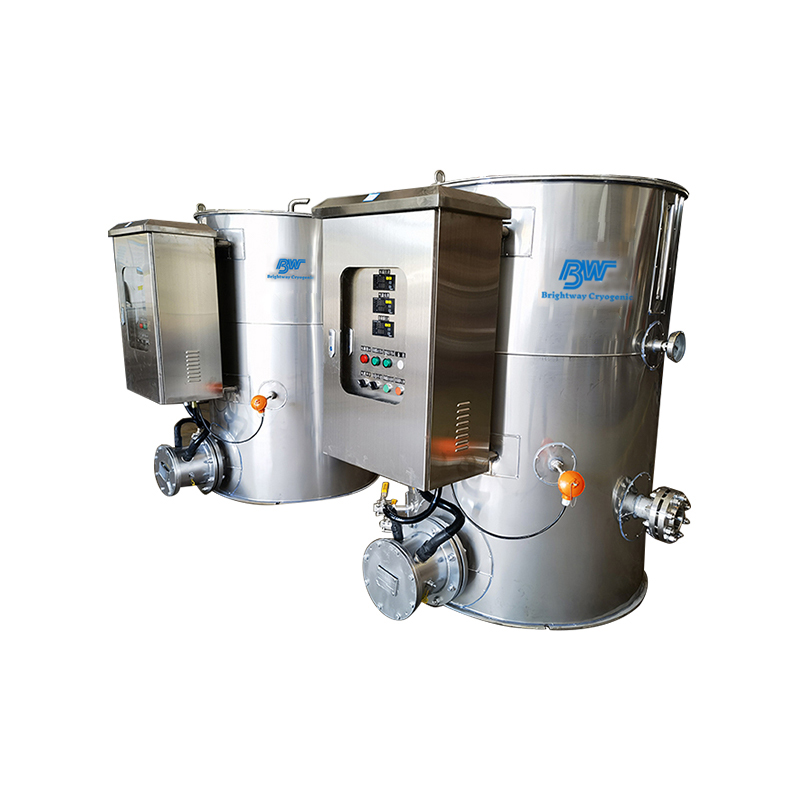
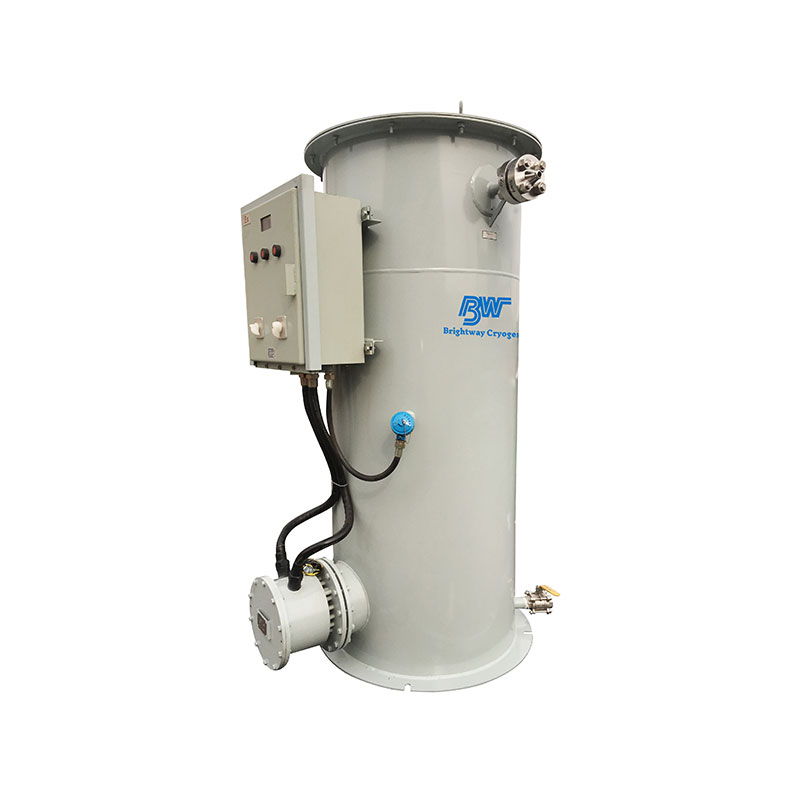
Custom Water bath vaporizer

Preferred by our customers

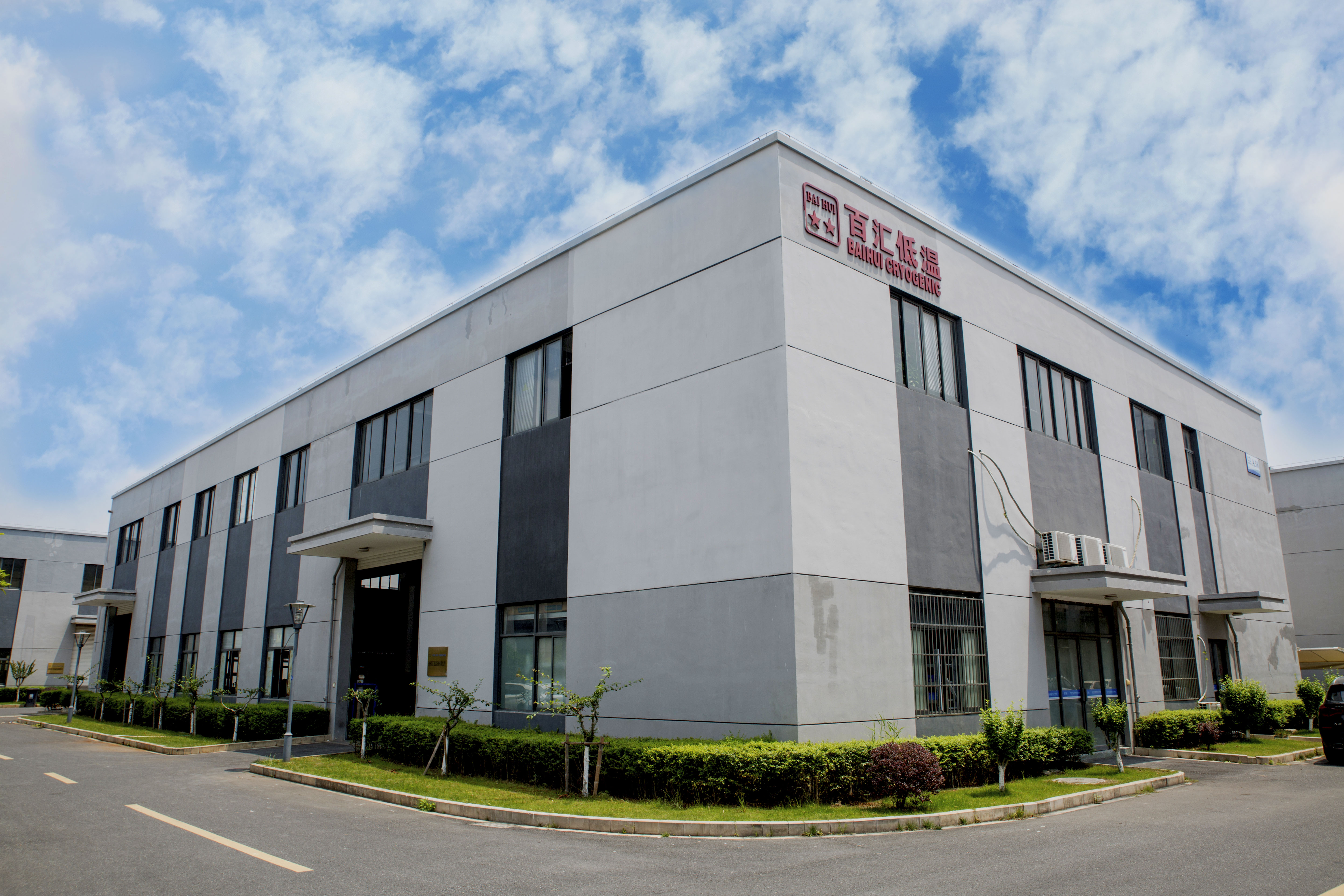
Huzhou Baihui Cryogenic Equipment Co., Ltd

Guarantee High Quality With Our Expertise

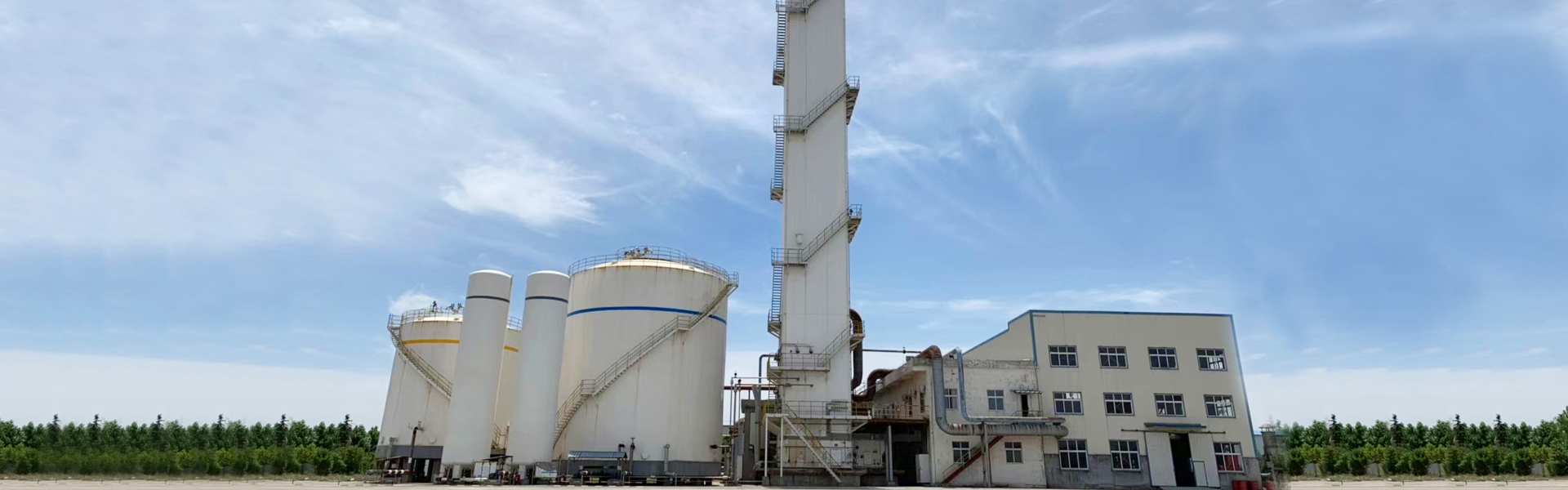
Since its establishment, our company has been focusing on the design, production, sales and service of the various cryogenic liquid pumps in the industrial gases and gas industry. The company has strong technical and advanced production equipment. It has a group of senior designers and excellent employees specializing in the design and manufacture of gas and gas equipment.Now the company is professional China Water bath vaporizer Factory and Water bath vaporizer company in China. Our Main Products: L-CNG High Pressure Reciprocating Pump、LNG Submersible Pump、Industrial Gas Filling Pump、Cryogenic Centrifugal Pump、Cryogenic Liquid Vaporizer、 LNG/L-CNG Skid Equipment、Vehicle-Mounted High Pressure Liquid Nitrogen Pump Skid (Pump Truck)、Industrial Gases Pressure Regulator Device Systems and other products.

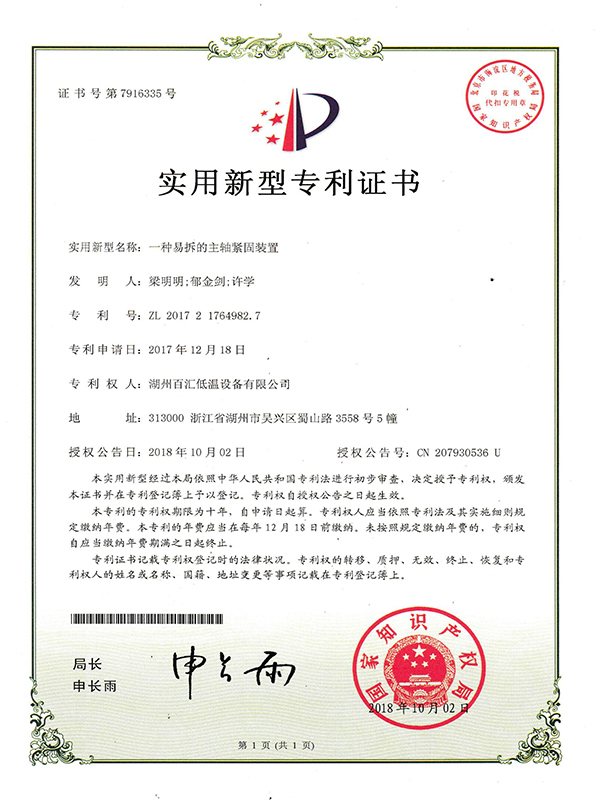
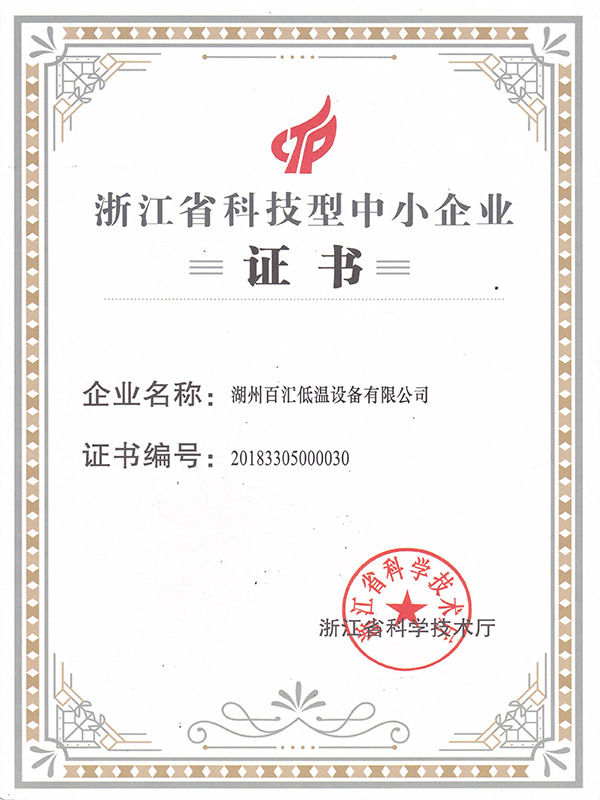
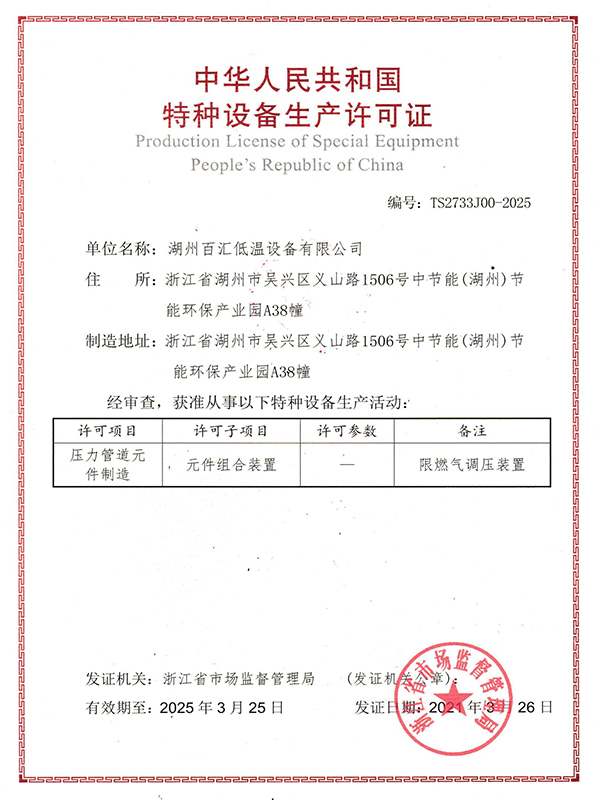
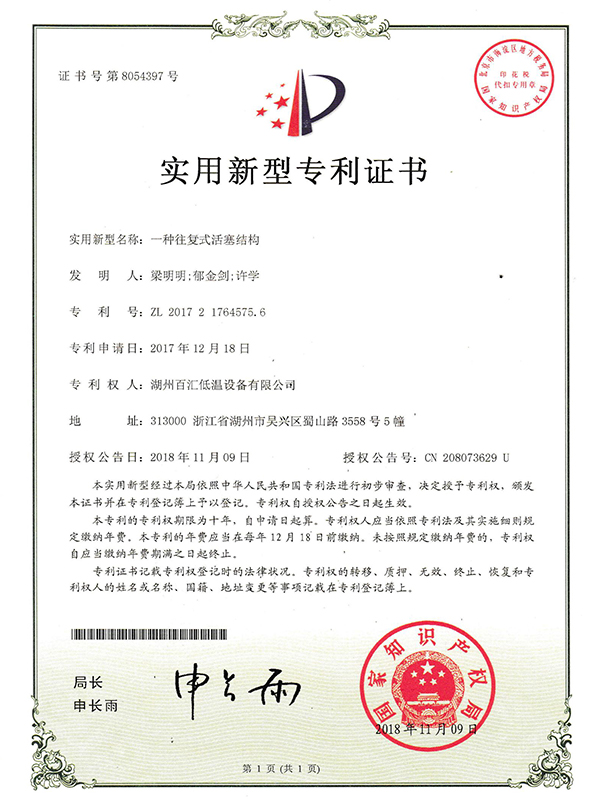
Honor

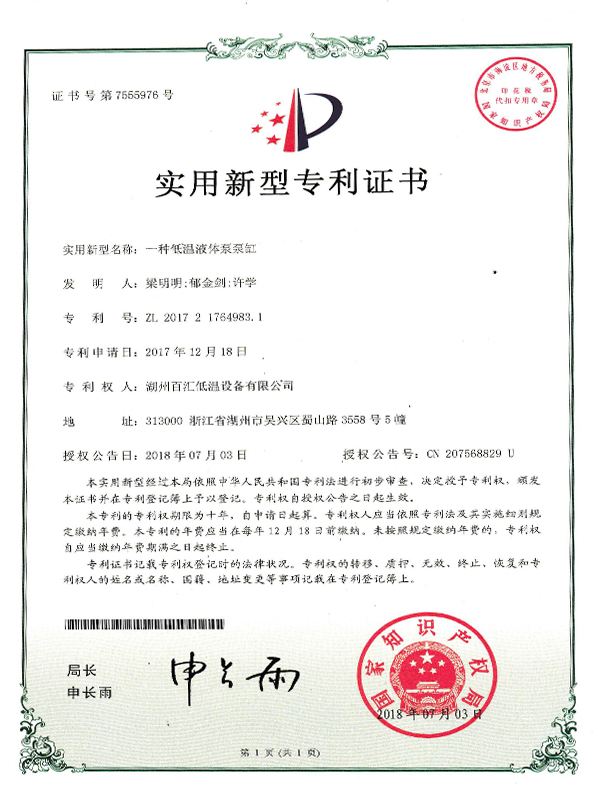
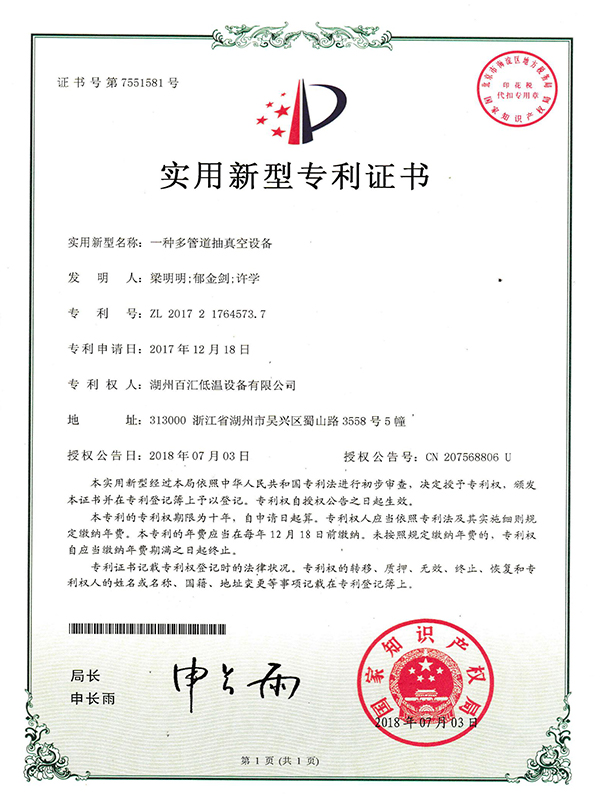
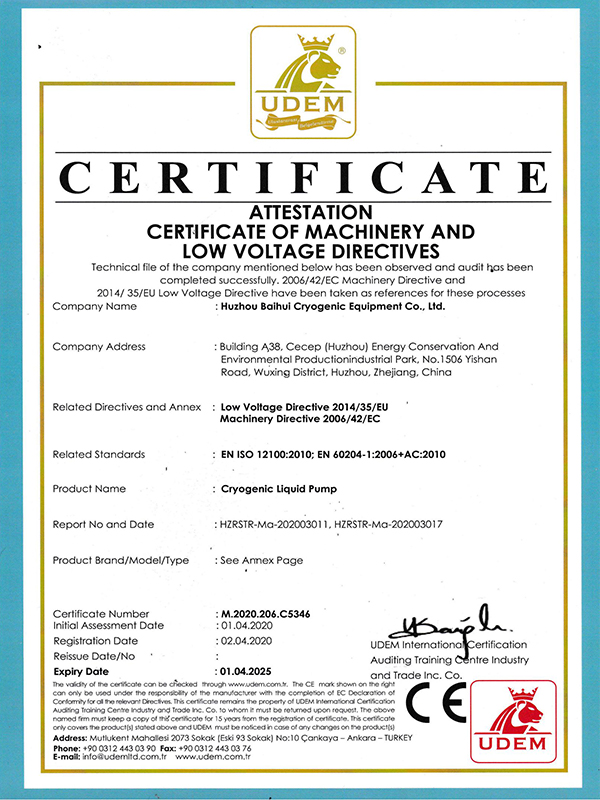
Honor certificate
Honor certificate
Honor certificate
Honor certificate
Honor certificate
Honor certificate
Honor certificate

News

Cryogenic Centrifugal Pump Unloading Skid with a Standard Electrical Control Panel

Transferring cryogenic liquids from a tanker or storage container is not simply a matter of installing a pump. The pump, piping, valves, instruments, electrical controls and suppor...

How to Extend the Service Life of a Cryogenic Pump

Cryogenic pumps work with liquids at extremely low temperatures and often operate under high discharge pressure. Thermal contraction, liquid vaporization, frequent start-stop cycle...

Which Parts of a Cryogenic Pump Should Be Checked During Routine Maintenance?

Cryogenic pumps operate under conditions that are very different from those of conventional liquid pumps. Extremely low temperatures, rapid temperature changes, liquid vaporization...

Why Is Cryogenic Pump Flow or Pressure Unstable?

Stable flow and discharge pressure are important indicators of correct cryogenic pump operation. When the pressure gauge fluctuates, the flow rate decreases or the pump repeatedly ...

How Does an Industrial Gas Cylinder Filling Pump System Work?

Industrial gases such as oxygen, nitrogen and argon are often stored as cryogenic liquids because the liquid form occupies much less space than the same product in gaseous form. Ho...

Reciprocating, Centrifugal or Submerged: Which Cryogenic Pump Should You Choose?

Selecting a cryogenic pump is not simply a matter of choosing a model with the required motor power or connection size. The correct pump must match the liquid, required discharge p...

Why Must a Cryogenic Pump Be Fully Pre-Cooled Before Startup?

Cryogenic pumps handle liquids at extremely low temperatures. Liquefied natural gas is typically stored at around -162°C, liquid oxygen at approximately -183°C, and liquid nitrogen...

Cryogenic Pump Cavitation: Causes, Effects and Solutions

Cryogenic pumps are widely used to transfer liquid nitrogen, liquid oxygen, liquid argon, LNG, and other low-temperature liquids. Because these fluids remain in liquid form only un...

What Is a Cryogenic Pump? Working Principle, Types and Applications

Introduction Cryogenic pumps are essential components in industries where liquefied gases need to be transferred, pressurized, and supplied reliably under extremely low-temperature...

See You Next Year at IG China 2027

As IG China 2026 comes to a successful close in Hangzhou, Brightway Cryogenic would like to sincerely thank all customers, partners, industry professionals, and friends who visited...

Visit Brightway Cryogenic at IG China 2026 – Booth 1D104

Brightway Cryogenic is exhibiting at IG China 2026 and warmly welcomes customers, partners, and industry professionals to visit us at Booth 1D104. The 27th China International Exhi...

Brightway Cryogenic to Exhibit at IG China 2026 in Hangzhou

Brightway Cryogenic is pleased to announce its participation in IG China 2026, the 27th China International Exhibition on Gases Technology, Equipment and Application, taking place ...

Industry knowledge

A water bath vaporizer is a device used to vaporize liquefied gases such as propane, butane, and natural gas by using hot water to transfer heat to the gas. The water bath vaporizer consists of a shell and tube heat exchanger, where the liquefied gas flows through a series of tubes that are immersed in a hot water bath. The heat from the hot water bath is transferred to the gas, causing it to vaporize and become usable for various applications.
The water bath vaporizer is commonly used in the oil and gas industry, as well as in industrial and commercial settings where natural gas is used as a fuel source. The water bath vaporizer is a simple and reliable method for converting liquefied gases into their gaseous state, and it is a cost-effective alternative to other methods of vaporization such as electric heaters or direct-fired vaporizers.
One of the advantages of the water bath vaporizer is that it is relatively easy to install and maintain, and it does not require a separate power source to operate. Additionally, the water bath vaporizer is less likely to cause fires or explosions than direct-fired vaporizers, since the heating element is separated from the gas by a water-filled chamber.
However, the water bath vaporizer does have some limitations. For example, it may not be as efficient as other methods of vaporization, and it may not be suitable for use in extremely cold temperatures. Additionally, the water bath vaporizer may require a larger footprint than other types of vaporizers, since it requires a separate water tank or boiler to generate the hot water needed for the process.

How does the water bath vaporizer work?
A water bath vaporizer is a device that is used to vaporize a liquid or a gas by using a heated water bath. The process involves passing the liquid or gas through a heat exchanger, which is immersed in a tank of heated water. The heat from the water is transferred to the liquid or gas, causing it to vaporize.
The water bath vaporizer consists of a heat exchanger, which is usually made of copper or stainless steel, and a tank of water. The heat exchanger is connected to the inlet and outlet pipes of the liquid or gas that needs to be vaporized. When the liquid or gas enters the heat exchanger, it is heated by the hot water flowing through the exchanger.
The hot water is heated by a burner or electric heater, and the temperature is regulated by a thermostat. The heated water is then circulated through the heat exchanger, where it heats the liquid or gas, causing it to vaporize. The vaporized gas or liquid is then collected and delivered to the required destination.
The water bath vaporizer is often used in the liquefied petroleum gas (LPG) industry, where it is used to vaporize LPG to a gaseous state for use in homes and industries. It is also used to vaporize other liquefied gases such as ammonia, propane, and butane, and is a cost-effective and efficient method of vaporizing gases and liquids.