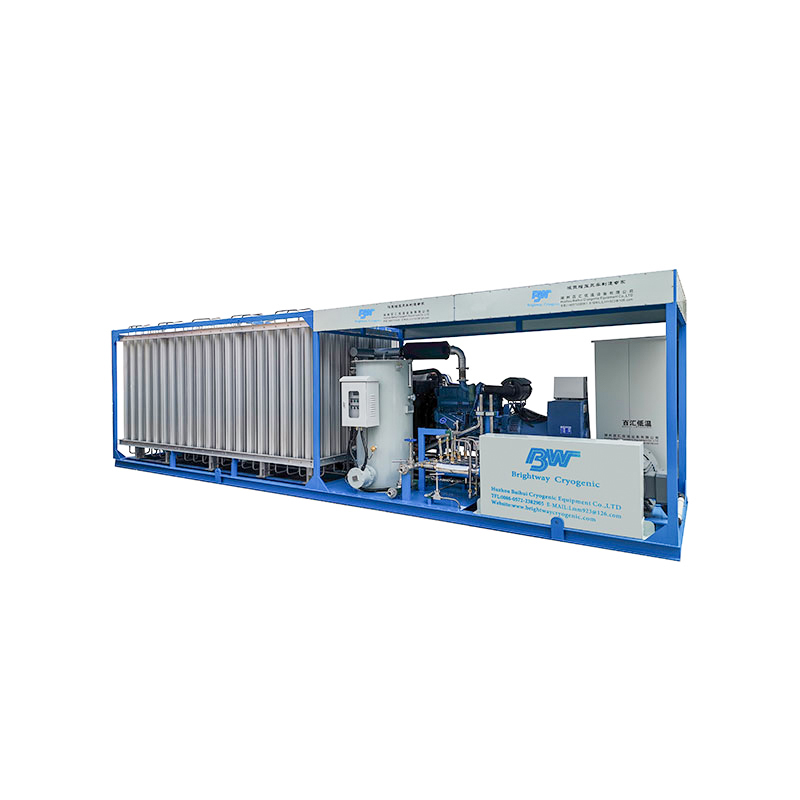
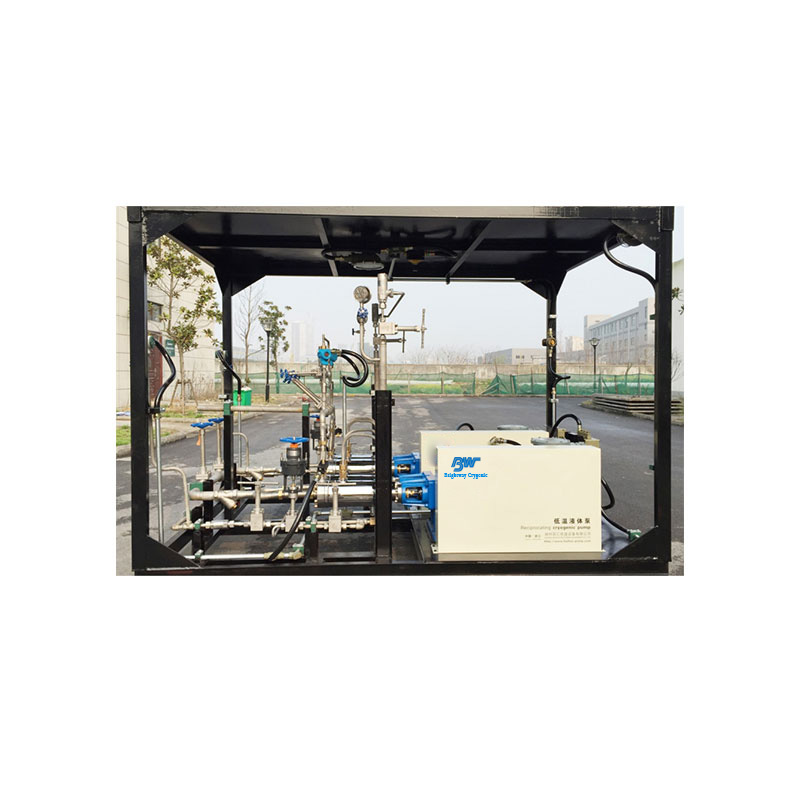
Custom Pump Skid/Pump Truck

Preferred by our customers

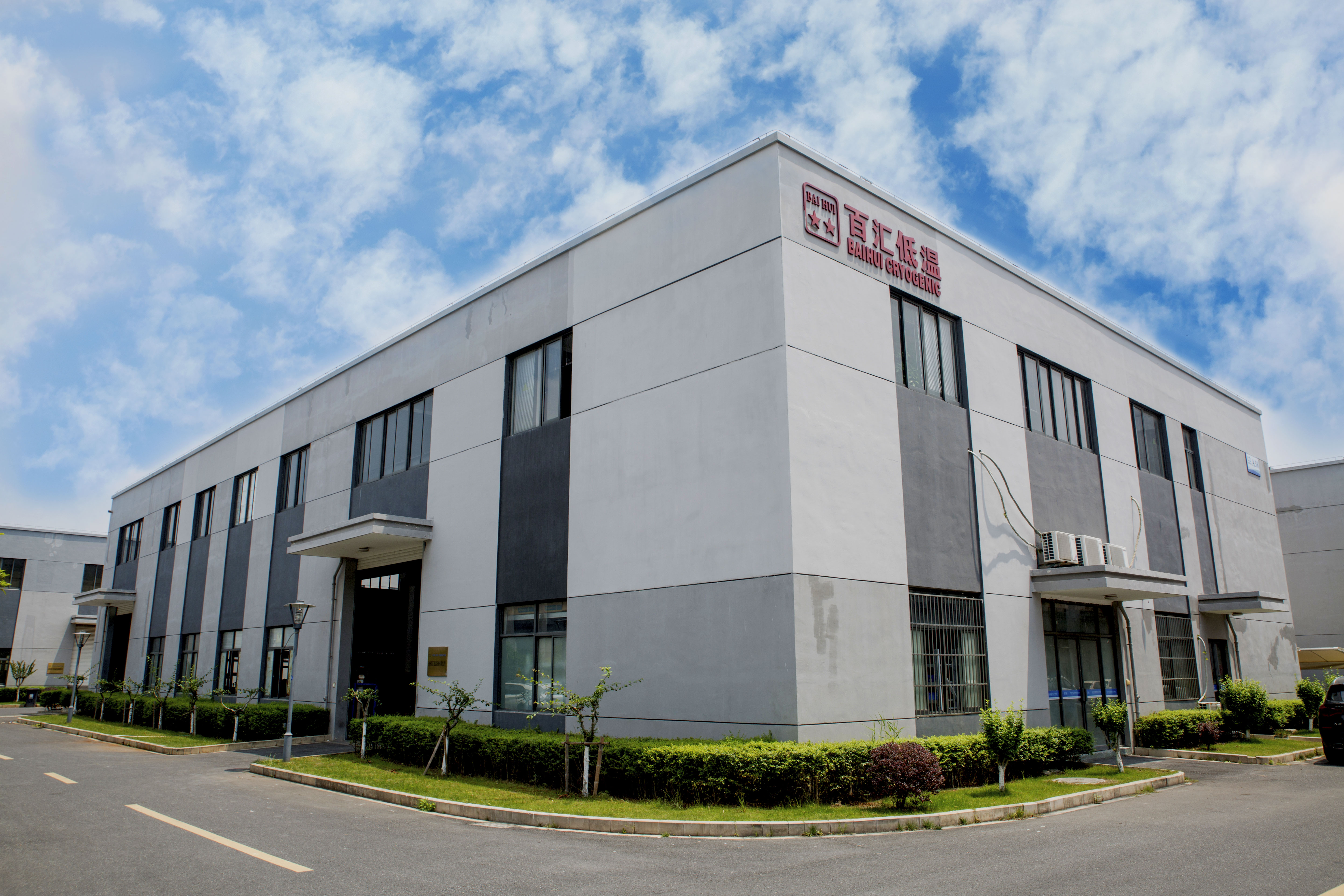
Huzhou Baihui Cryogenic Equipment Co., Ltd

Guarantee High Quality With Our Expertise

Since its establishment, our company has been focusing on the design, production, sales and service of the various cryogenic liquid pumps in the industrial gases and gas industry. The company has strong technical and advanced production equipment. It has a group of senior designers and excellent employees specializing in the design and manufacture of gas and gas equipment.Now the company is professional China Pump Skid/Pump Truck Factory and Pump Skid/Pump Truck company in China. Our Main Products: L-CNG High Pressure Reciprocating Pump、LNG Submersible Pump、Industrial Gas Filling Pump、Cryogenic Centrifugal Pump、Cryogenic Liquid Vaporizer、 LNG/L-CNG Skid Equipment、Vehicle-Mounted High Pressure Liquid Nitrogen Pump Skid (Pump Truck)、Industrial Gases Pressure Regulator Device Systems and other products.

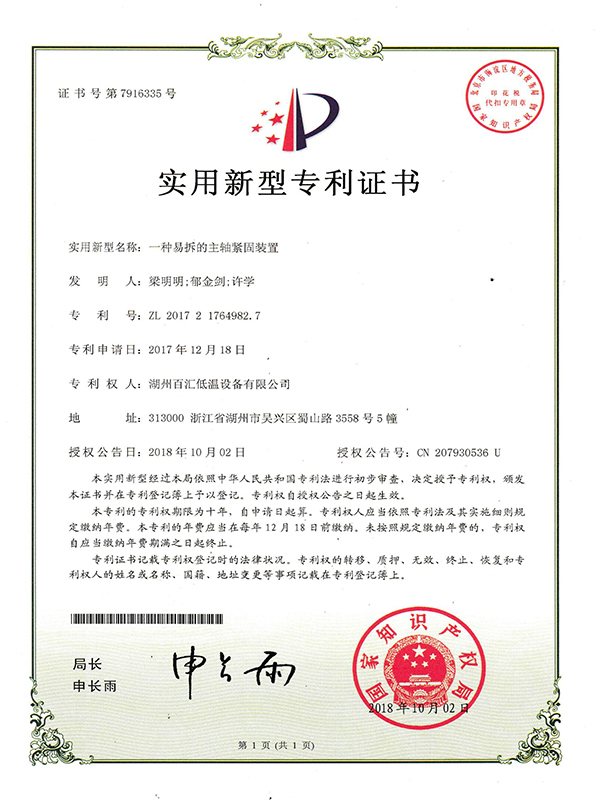
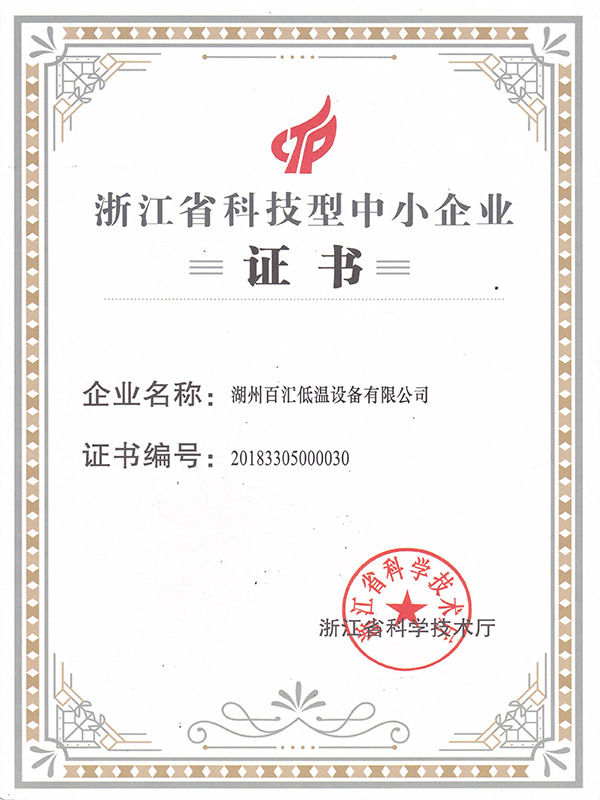
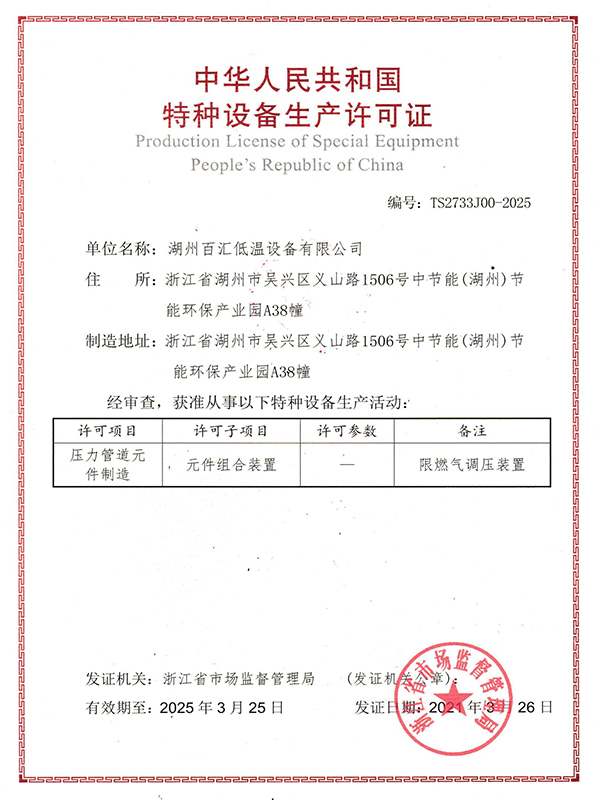
Honor

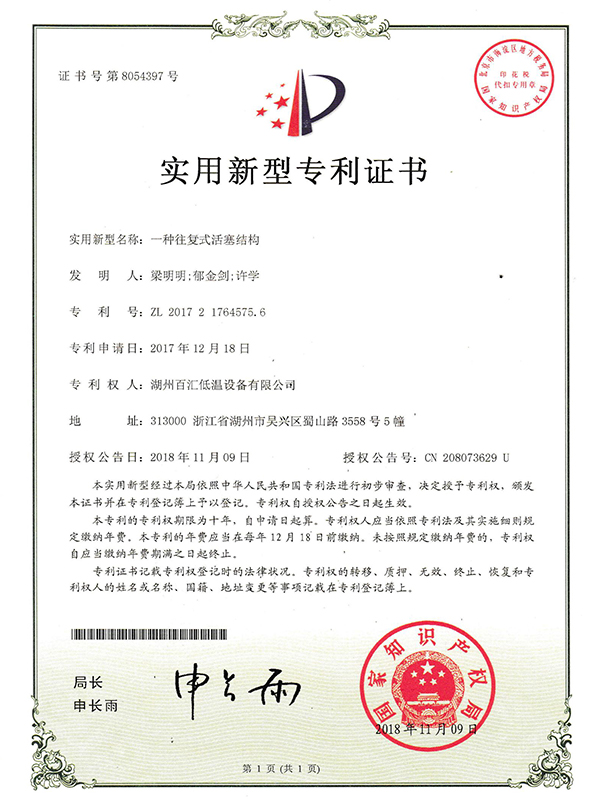
Honor certificate
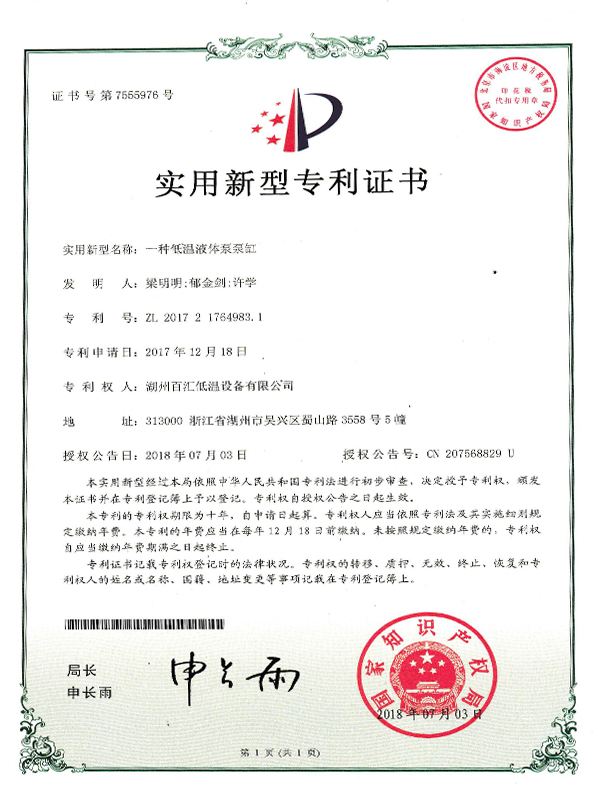
Honor certificate
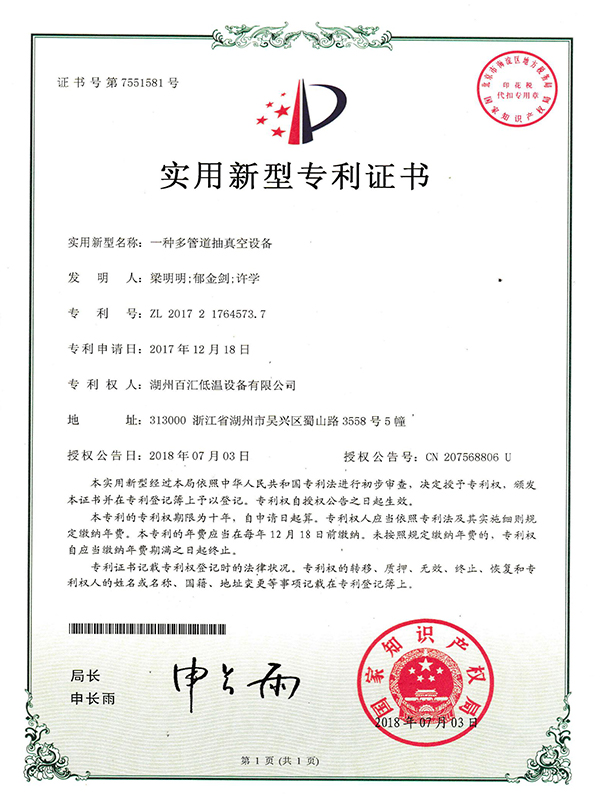
Honor certificate
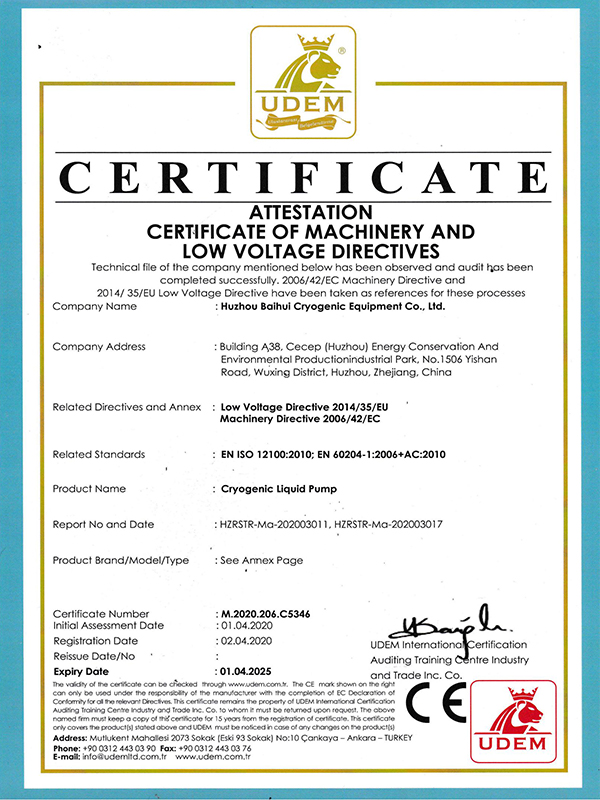
Honor certificate
Honor certificate
Honor certificate
Honor certificate

News

Why Cryogenic Pump Piping Needs Room to Move

A cryogenic pump does not operate independently from its piping. During cooldown, startup and normal operation, the suction and discharge lines continually transmit temperature cha...

Cryogenic Transfer Hoses: What Should Be Checked Before Every Transfer?

Cryogenic transfer systems often receive attention for their pumps, tanks, valves and control equipment. However, the flexible hose connecting a tanker, storage vessel or pump skid...

From Cryogenic Liquid to High-Pressure Cylinders: How an Oxygen, Nitrogen and Argon Filling Pump Skid Works

Industrial gas filling stations need more than a cryogenic pump. They require a coordinated system that can pressurize cryogenic liquid, vaporize it efficiently and deliver the gas...

Cryogenic Centrifugal Pump Unloading Skid with a Standard Electrical Control Panel

Transferring cryogenic liquids from a tanker or storage container is not simply a matter of installing a pump. The pump, piping, valves, instruments, electrical controls and suppor...

How to Extend the Service Life of a Cryogenic Pump

Cryogenic pumps work with liquids at extremely low temperatures and often operate under high discharge pressure. Thermal contraction, liquid vaporization, frequent start-stop cycle...

Which Parts of a Cryogenic Pump Should Be Checked During Routine Maintenance?

Cryogenic pumps operate under conditions that are very different from those of conventional liquid pumps. Extremely low temperatures, rapid temperature changes, liquid vaporization...

Why Is Cryogenic Pump Flow or Pressure Unstable?

Stable flow and discharge pressure are important indicators of correct cryogenic pump operation. When the pressure gauge fluctuates, the flow rate decreases or the pump repeatedly ...

How Does an Industrial Gas Cylinder Filling Pump System Work?

Industrial gases such as oxygen, nitrogen and argon are often stored as cryogenic liquids because the liquid form occupies much less space than the same product in gaseous form. Ho...

Reciprocating, Centrifugal or Submerged: Which Cryogenic Pump Should You Choose?

Selecting a cryogenic pump is not simply a matter of choosing a model with the required motor power or connection size. The correct pump must match the liquid, required discharge p...

Why Must a Cryogenic Pump Be Fully Pre-Cooled Before Startup?

Cryogenic pumps handle liquids at extremely low temperatures. Liquefied natural gas is typically stored at around -162°C, liquid oxygen at approximately -183°C, and liquid nitrogen...

Cryogenic Pump Cavitation: Causes, Effects and Solutions

Cryogenic pumps are widely used to transfer liquid nitrogen, liquid oxygen, liquid argon, LNG, and other low-temperature liquids. Because these fluids remain in liquid form only un...

What Is a Cryogenic Pump? Working Principle, Types and Applications

Introduction Cryogenic pumps are essential components in industries where liquefied gases need to be transferred, pressurized, and supplied reliably under extremely low-temperature...

Industry knowledge

What is a pump skid?
A pump skid is a self-contained unit that typically includes one or more pumps, a motor or engine to drive the pumps, piping, valves, instrumentation, and other related equipment. Pump skids are commonly used in industrial applications where liquids or gases need to be transported or moved between different locations or systems.
The skid provides a modular and portable platform that can be easily transported and installed at the site where it is needed. Pump skids are commonly used in the oil and gas industry, chemical plants, power plants, and water treatment facilities, among other applications.
Pump skids can be customized to meet the specific requirements of a particular application, and can be designed to handle a wide range of fluids, pressures, and flow rates. They can also be equipped with various safety features to ensure that they operate reliably and safely.

What is a pump truck?
A pump truck, also known as a pallet jack or pallet truck, is a piece of material handling equipment used to lift and move pallets or skids. It is commonly used in warehouses, distribution centers, and other industrial environments to move heavy loads efficiently and safely.
A typical pump truck consists of a pair of forks or blades that can slide under a pallet, and a hydraulic lifting system that can raise the pallet a few inches off the ground. The operator then uses a lever or handle to manually pump the hydraulic system, which raises the pallet to a desired height for transport. The pump truck is then moved by the operator pushing or pulling it, with the pallet raised off the ground.
Pump trucks come in different sizes and weight capacities, and can be manual or electrically powered. Manual pump trucks are more common and are usually less expensive than electric ones, but require more physical effort from the operator. Electric pump trucks use a motor to lift and move the pallets, which makes them easier to operate but more expensive.


What is the purpose of the pump truck?
A pump truck, also known as a concrete pump or concrete boom pump, is a machine used in construction for transferring liquid concrete from a mixing truck or batch plant to the site where it will be used. The purpose of a pump truck is to make the process of pouring and placing concrete faster, more efficient, and more precise than traditional methods of manually transporting and pouring concrete.
The pump truck consists of a hydraulic pump and a boom arm, which can be extended to reach the desired location. The pump draws the liquid concrete from the mixing truck or batch plant and pumps it through the boom arm to the precise location where it is needed. The pump truck is commonly used in construction projects that require large volumes of concrete, such as high-rise buildings, bridges, and tunnels.
In addition to saving time and increasing efficiency, the use of a pump truck also allows for greater control over the placement of the concrete, which can help ensure that it is evenly distributed and properly consolidated. This can help to reduce the likelihood of future cracking or settling in the concrete structure.

What is the purpose of the pump skid?
A pump skid is a pre-engineered package that includes one or more pumps, along with all necessary piping, valves, and instrumentation, mounted on a single skid for ease of installation and operation. The purpose of a pump skid is to simplify the process of pumping fluids from one location to another in a variety of industries, including oil and gas, water treatment, and chemical processing.
The main advantages of a pump skid include:
Efficiency: Pump skids are designed to optimize the pumping process, making it faster, more efficient, and more reliable.
Cost-effective: A pump skid eliminates the need for separate procurement and installation of pumps, pipes, and valves, reducing the overall cost of the system.
Easy to install: Pump skids are pre-assembled and tested before shipping, reducing installation time and eliminating the need for extensive on-site construction.
Compact: A pump skid is designed to take up less space than a traditional pump system, making it ideal for installations where space is limited.
Customizable: Pump skids can be customized to meet specific requirements, such as the type of fluid being pumped, the flow rate, and the pressure.
A pump skid is a convenient, cost-effective, and efficient solution for pumping fluids in various industries.