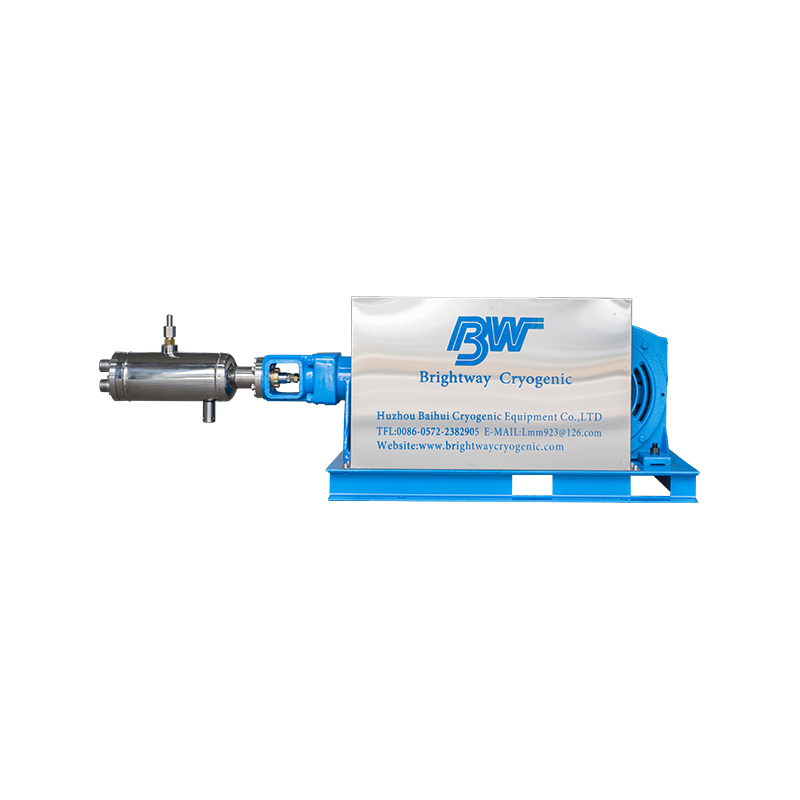
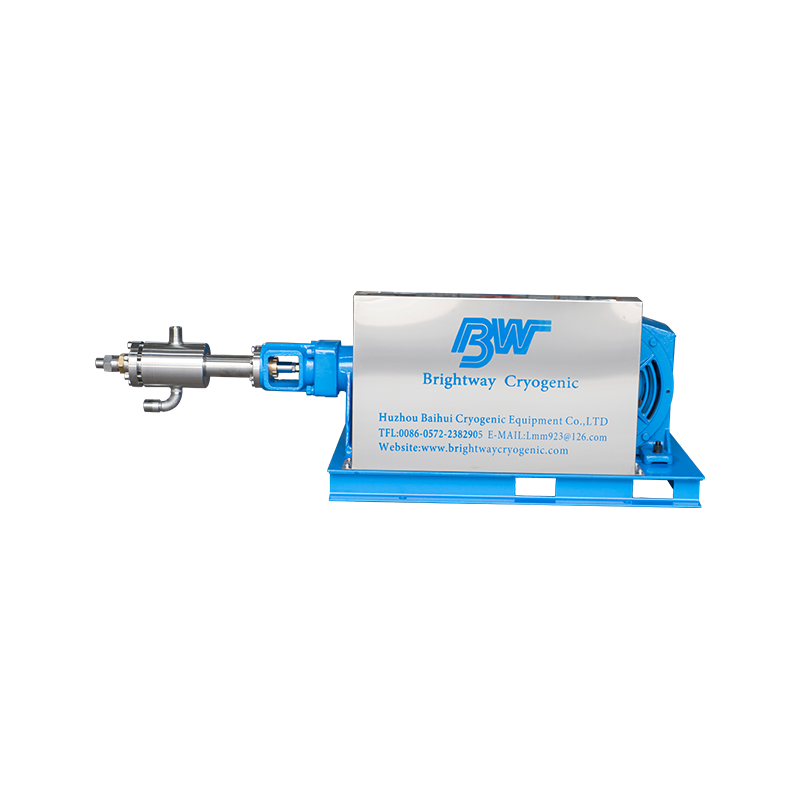
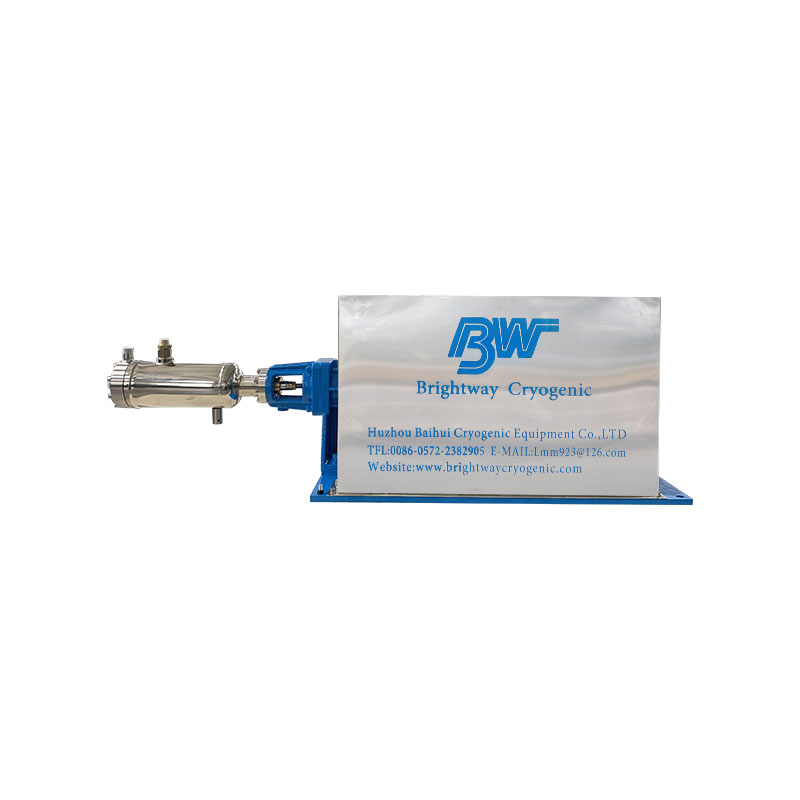
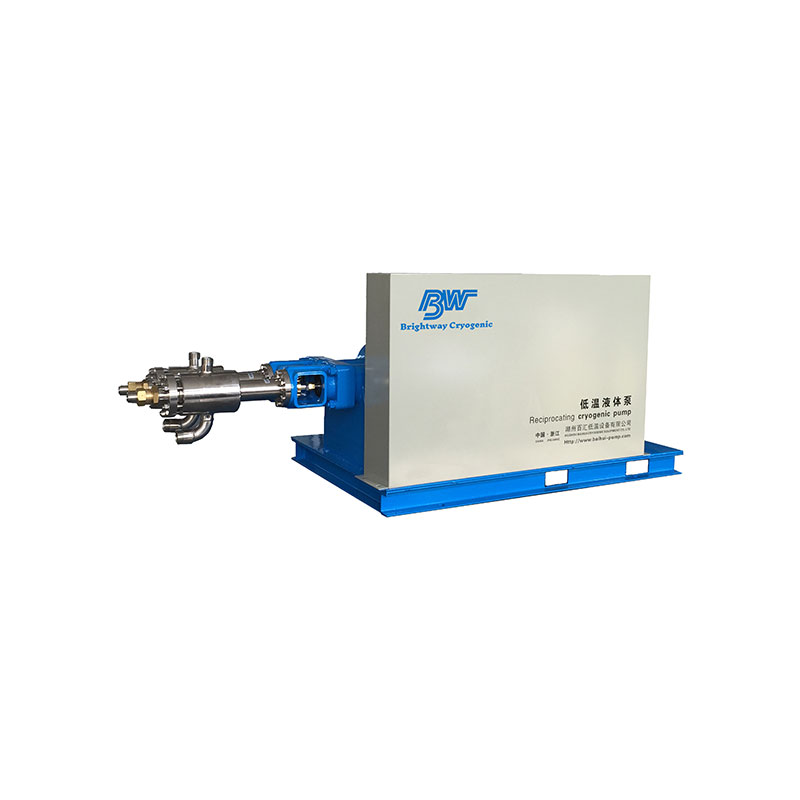
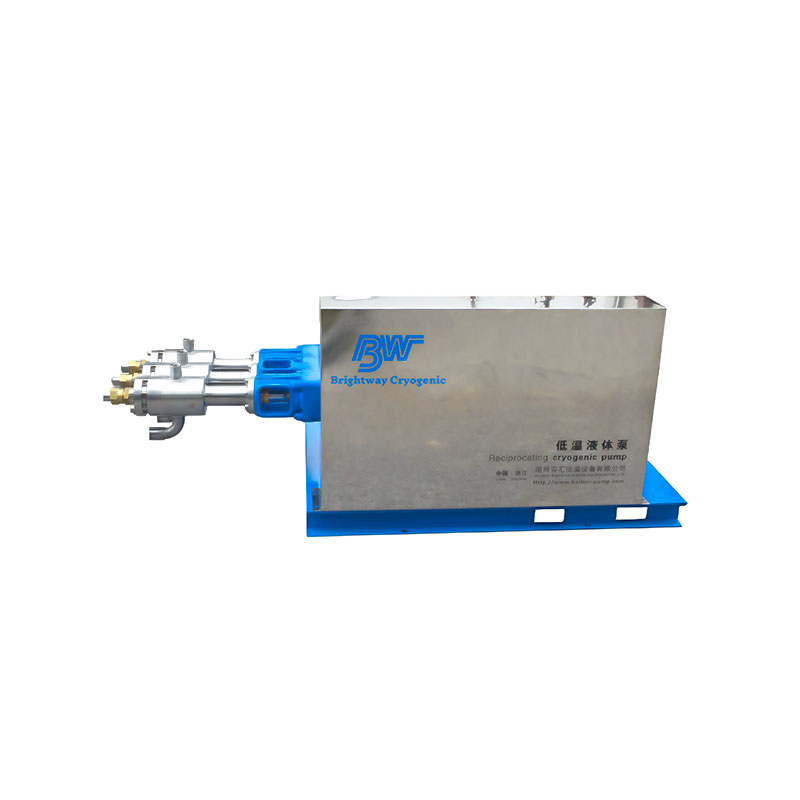
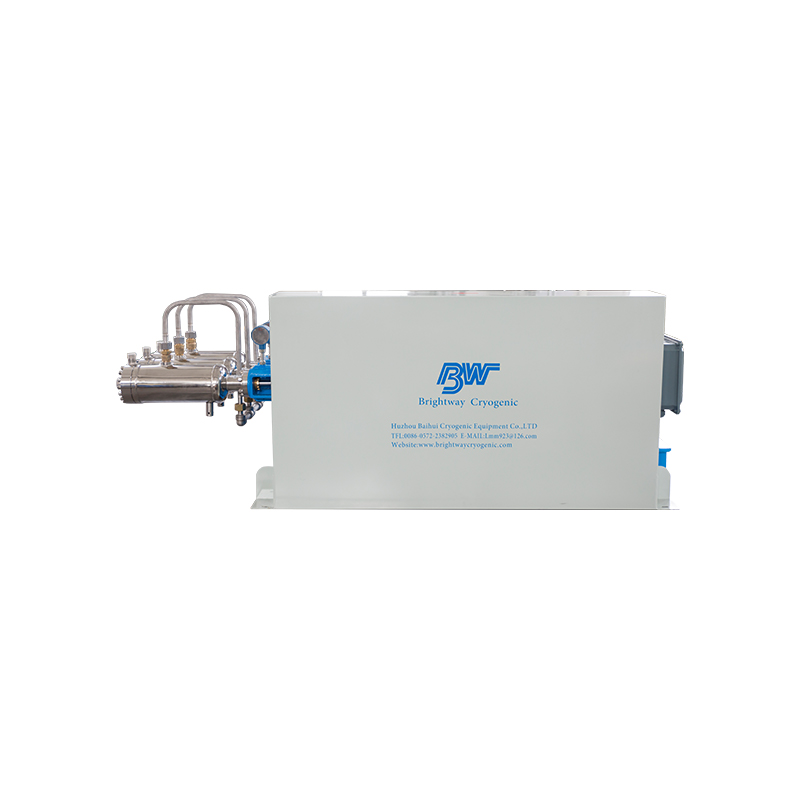
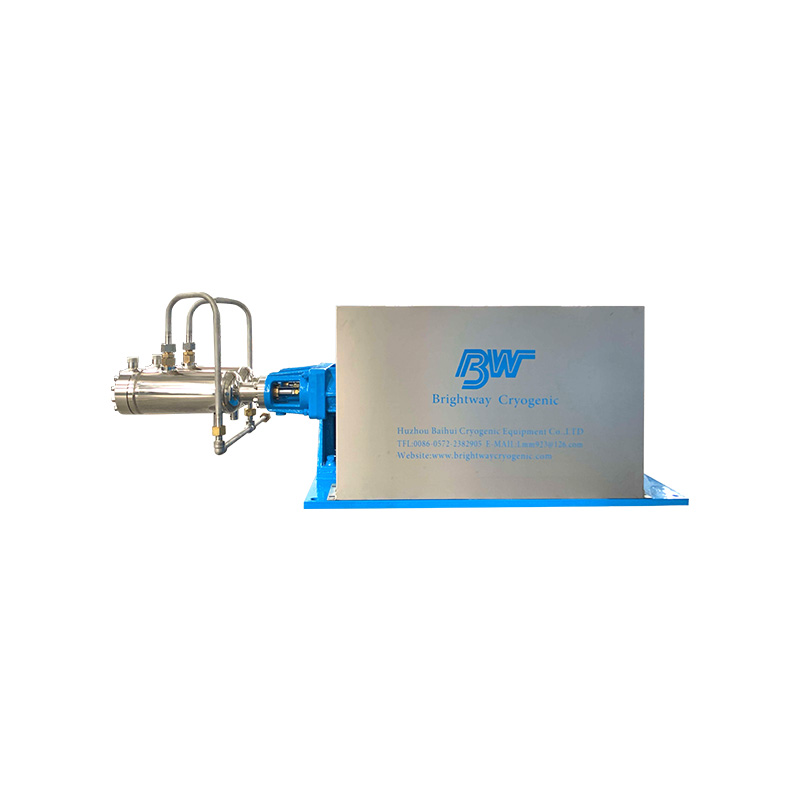
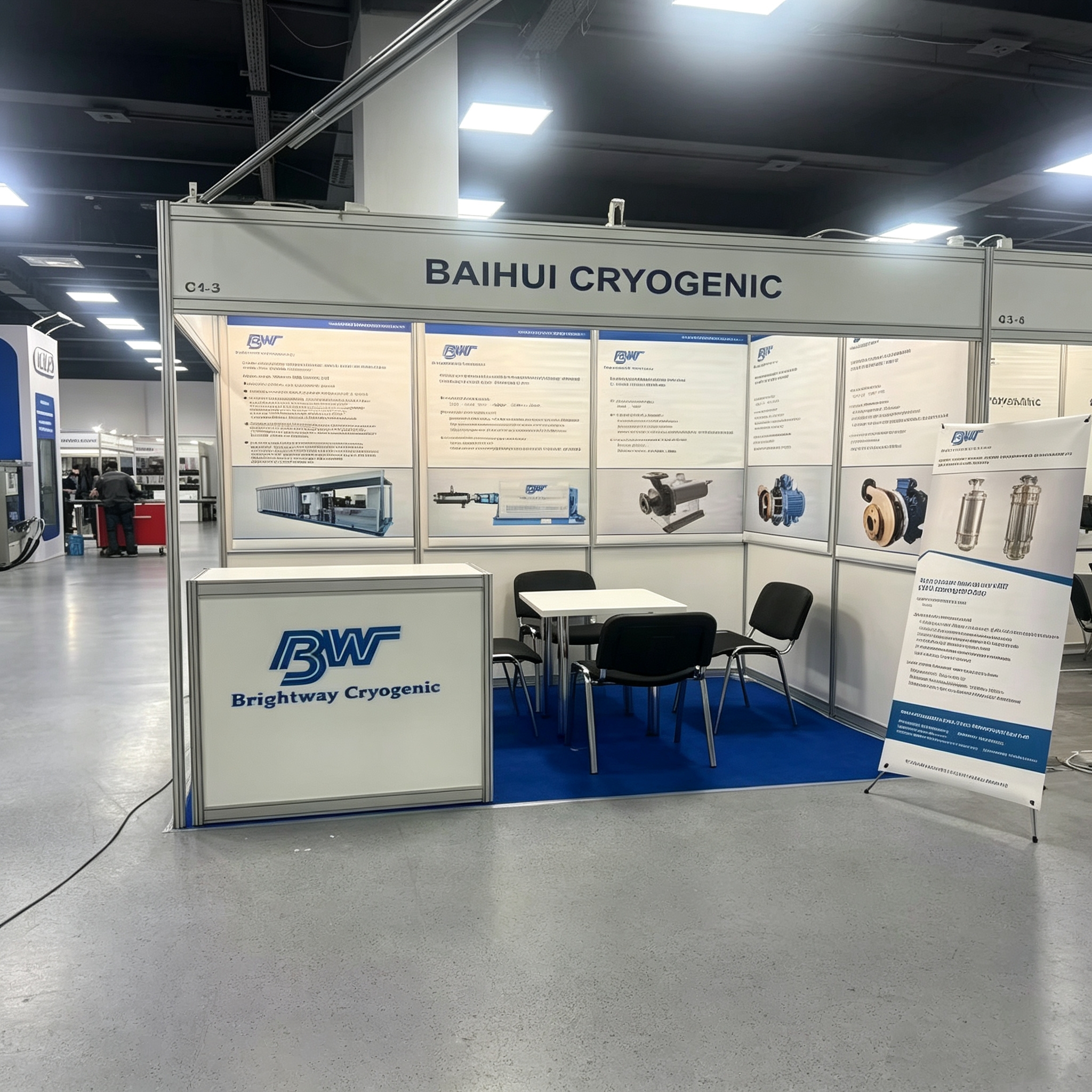
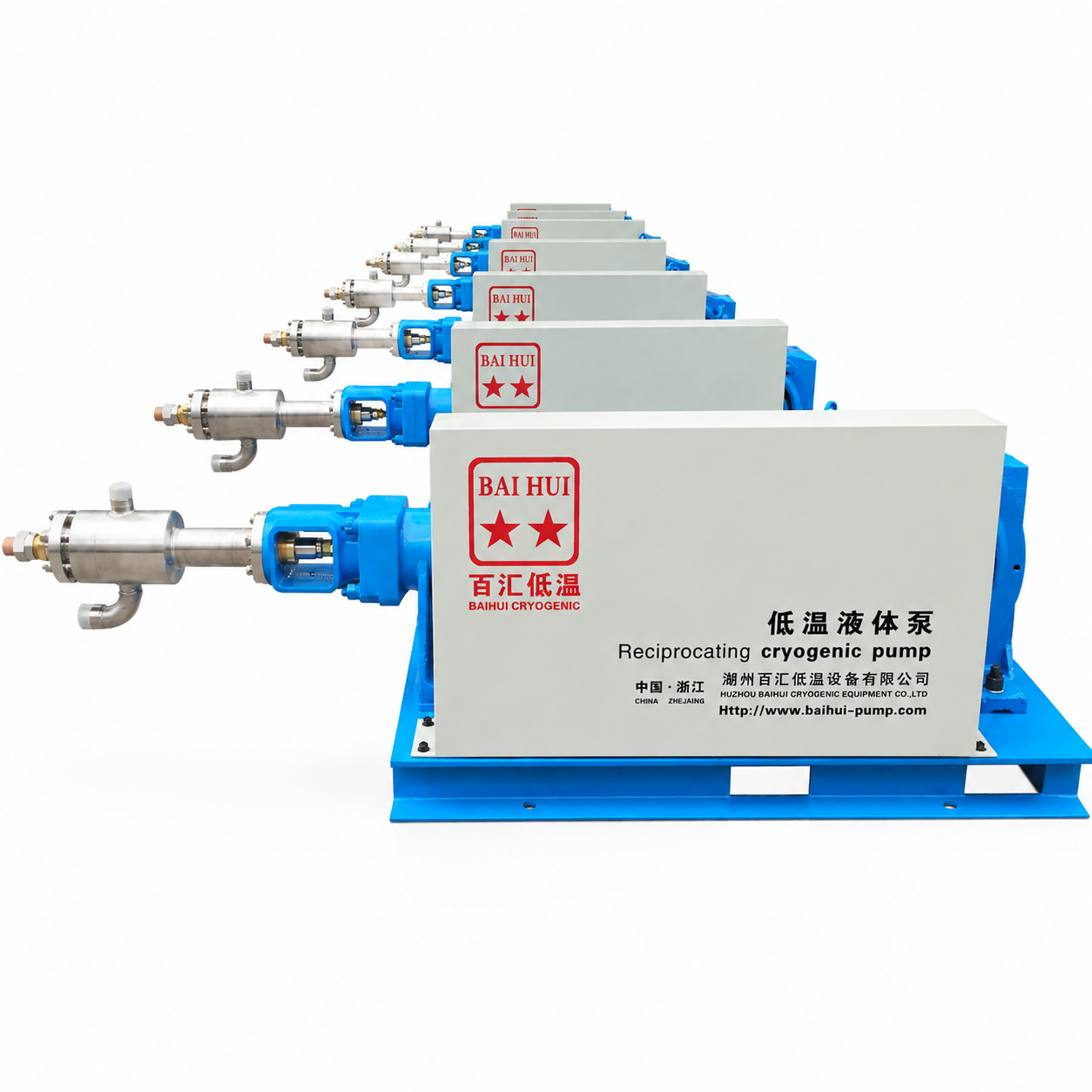
Custom Cryogenic liquid pump

Preferred by our customers

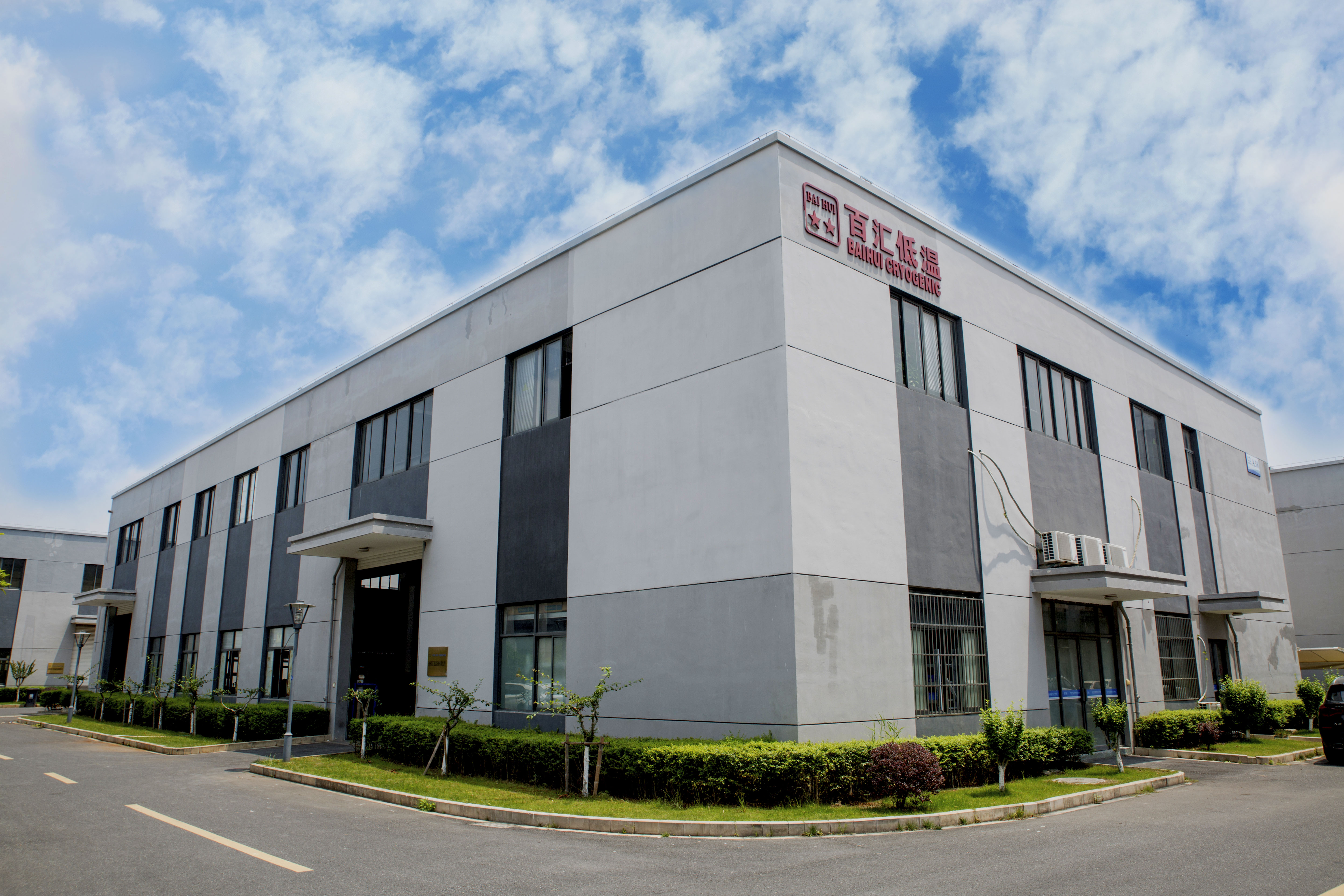
Huzhou Baihui Cryogenic Equipment Co., Ltd

Guarantee High Quality With Our Expertise

Since its establishment, our company has been focusing on the design, production, sales and service of the various cryogenic liquid pumps in the industrial gases and gas industry. The company has strong technical and advanced production equipment. It has a group of senior designers and excellent employees specializing in the design and manufacture of gas and gas equipment.Now the company is professional China Cryogenic liquid pump Factory and Cryogenic liquid pump company in China. Our Main Products: L-CNG High Pressure Reciprocating Pump、LNG Submersible Pump、Industrial Gas Filling Pump、Cryogenic Centrifugal Pump、Cryogenic Liquid Vaporizer、 LNG/L-CNG Skid Equipment、Vehicle-Mounted High Pressure Liquid Nitrogen Pump Skid (Pump Truck)、Industrial Gases Pressure Regulator Device Systems and other products.

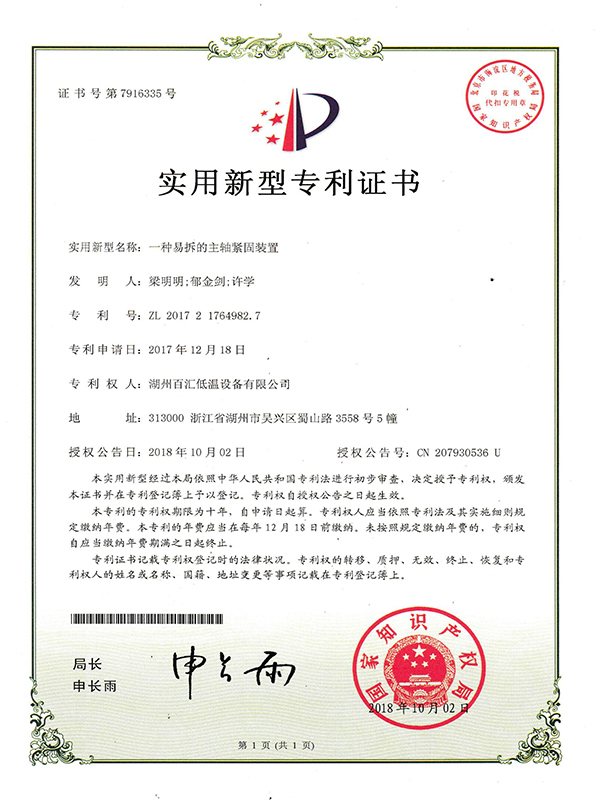
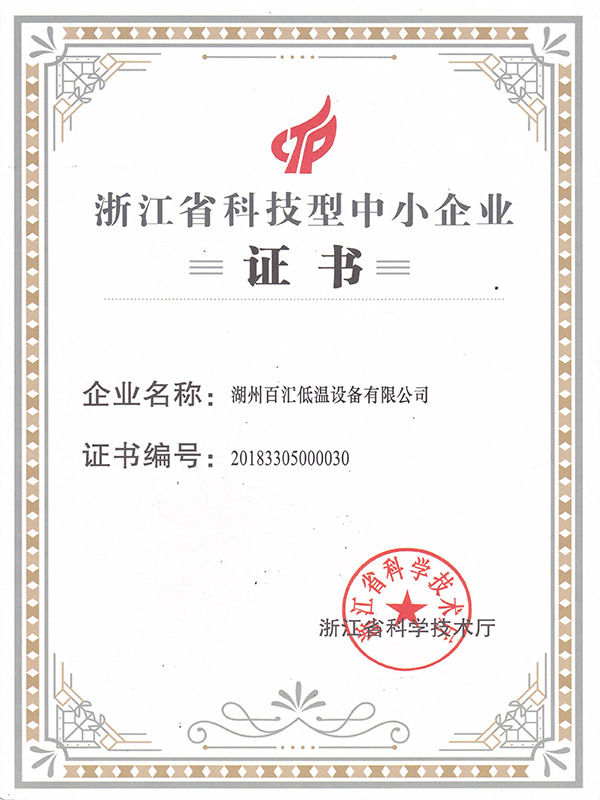
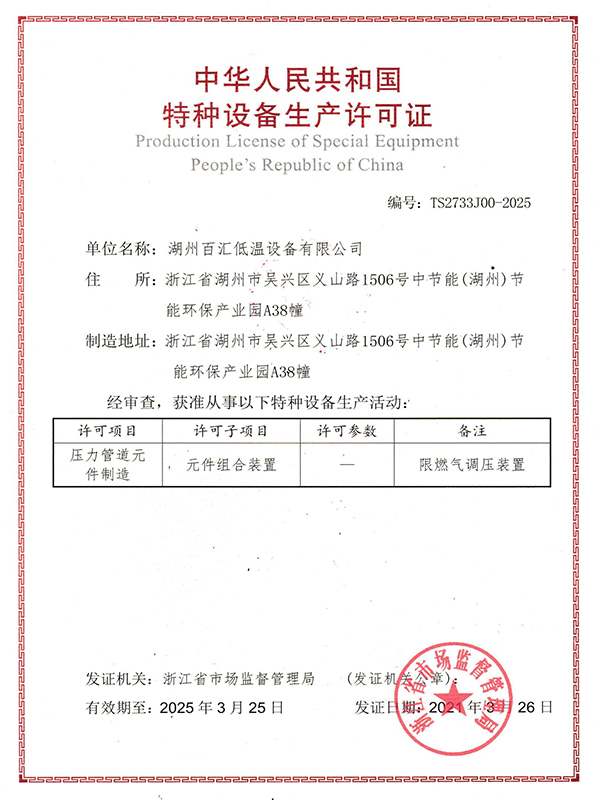
Honor

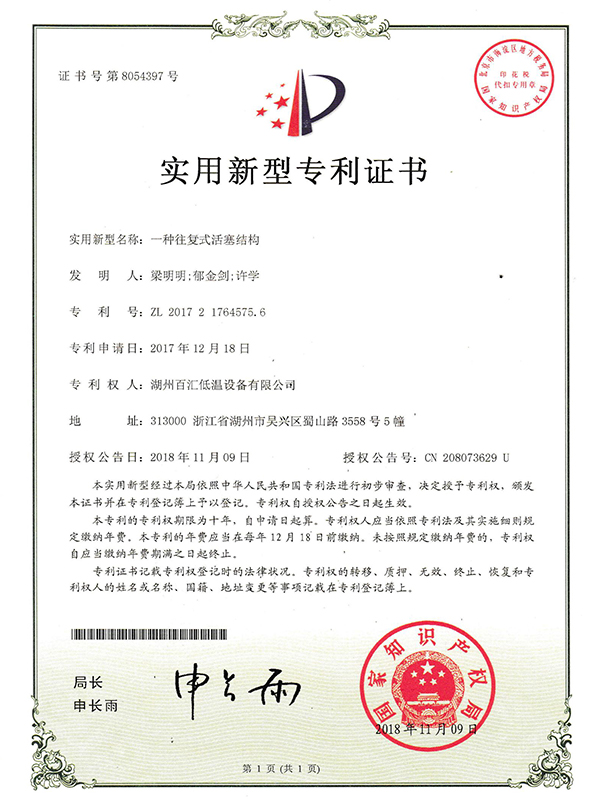
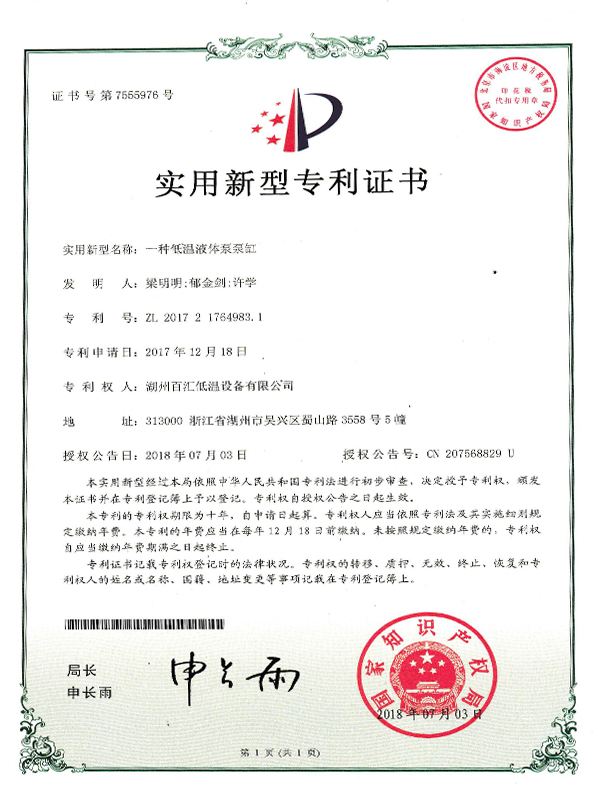
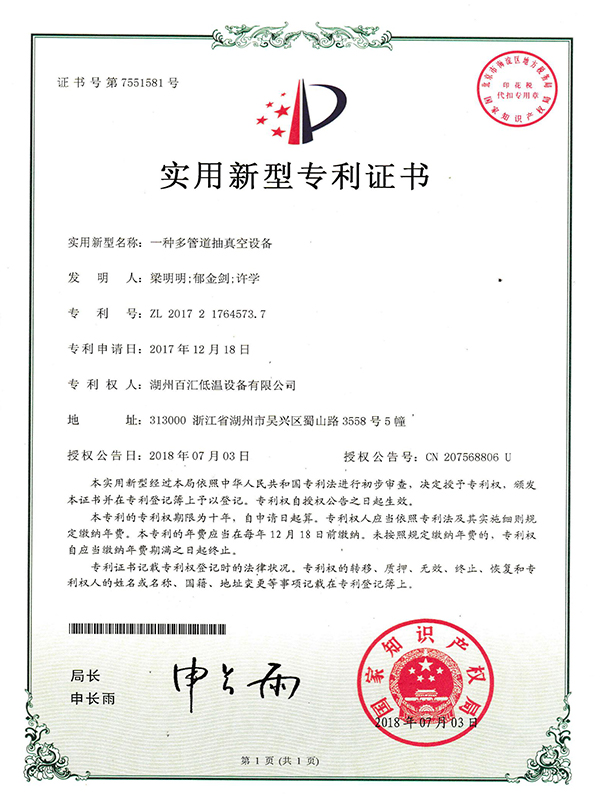
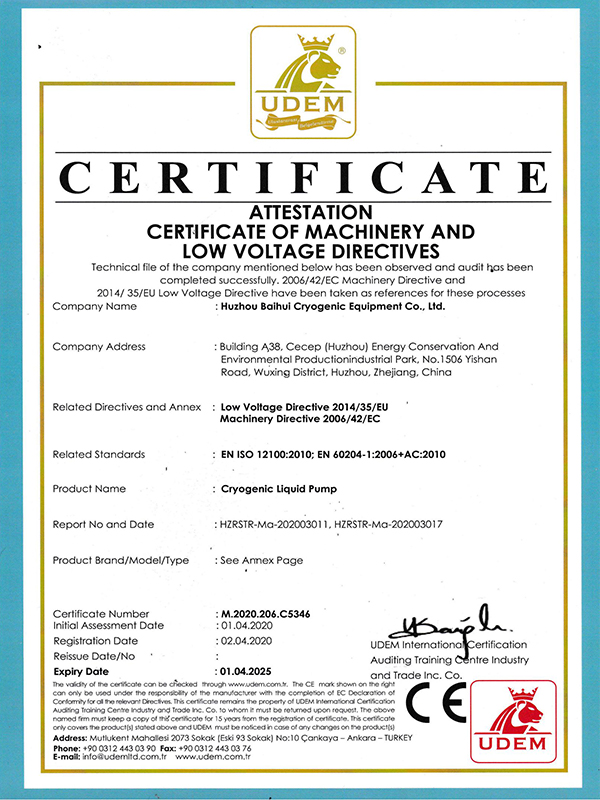
Honor certificate
Honor certificate
Honor certificate
Honor certificate
Honor certificate
Honor certificate
Honor certificate

News

Why Cryogenic Pump Piping Needs Room to Move

A cryogenic pump does not operate independently from its piping. During cooldown, startup and normal operation, the suction and discharge lines continually transmit temperature cha...

Cryogenic Transfer Hoses: What Should Be Checked Before Every Transfer?

Cryogenic transfer systems often receive attention for their pumps, tanks, valves and control equipment. However, the flexible hose connecting a tanker, storage vessel or pump skid...

From Cryogenic Liquid to High-Pressure Cylinders: How an Oxygen, Nitrogen and Argon Filling Pump Skid Works

Industrial gas filling stations need more than a cryogenic pump. They require a coordinated system that can pressurize cryogenic liquid, vaporize it efficiently and deliver the gas...

Cryogenic Centrifugal Pump Unloading Skid with a Standard Electrical Control Panel

Transferring cryogenic liquids from a tanker or storage container is not simply a matter of installing a pump. The pump, piping, valves, instruments, electrical controls and suppor...

How to Extend the Service Life of a Cryogenic Pump

Cryogenic pumps work with liquids at extremely low temperatures and often operate under high discharge pressure. Thermal contraction, liquid vaporization, frequent start-stop cycle...

Which Parts of a Cryogenic Pump Should Be Checked During Routine Maintenance?

Cryogenic pumps operate under conditions that are very different from those of conventional liquid pumps. Extremely low temperatures, rapid temperature changes, liquid vaporization...

Why Is Cryogenic Pump Flow or Pressure Unstable?

Stable flow and discharge pressure are important indicators of correct cryogenic pump operation. When the pressure gauge fluctuates, the flow rate decreases or the pump repeatedly ...

How Does an Industrial Gas Cylinder Filling Pump System Work?

Industrial gases such as oxygen, nitrogen and argon are often stored as cryogenic liquids because the liquid form occupies much less space than the same product in gaseous form. Ho...

Reciprocating, Centrifugal or Submerged: Which Cryogenic Pump Should You Choose?

Selecting a cryogenic pump is not simply a matter of choosing a model with the required motor power or connection size. The correct pump must match the liquid, required discharge p...

Why Must a Cryogenic Pump Be Fully Pre-Cooled Before Startup?

Cryogenic pumps handle liquids at extremely low temperatures. Liquefied natural gas is typically stored at around -162°C, liquid oxygen at approximately -183°C, and liquid nitrogen...

Cryogenic Pump Cavitation: Causes, Effects and Solutions

Cryogenic pumps are widely used to transfer liquid nitrogen, liquid oxygen, liquid argon, LNG, and other low-temperature liquids. Because these fluids remain in liquid form only un...

What Is a Cryogenic Pump? Working Principle, Types and Applications

Introduction Cryogenic pumps are essential components in industries where liquefied gases need to be transferred, pressurized, and supplied reliably under extremely low-temperature...

Industry knowledge

A cryogenic liquid pump is a type of pump used to transfer cryogenic liquids such as liquid nitrogen, liquid oxygen, or liquefied natural gas (LNG) at extremely low temperatures. These pumps are specifically designed to handle the low-temperature, low-density fluids and are often used in industrial applications, air separation units, semiconductors, and petrochemicals.
Cryogenic pumps are typically powered by electric motors and use specialized materials such as stainless steel and copper to prevent damage to the pump components due to the low temperatures. They can be either positive displacement pumps or centrifugal pumps, depending on the specific application.
Positive displacement cryogenic pumps are typically used for low-flow, high-pressure applications, while centrifugal cryogenic pumps are better suited for high-flow, low-pressure applications. Cryogenic pumps are typically operated at very low temperatures, often below -100°C, and require careful handling and maintenance to prevent damage to the equipment and ensure safe operation.

What are the advantages of cryogenic liquid pump?
Cryogenic liquid pumps are used to transfer and pump fluids that are extremely cold, such as liquid nitrogen, oxygen, and argon, at temperatures below -150°C. Here are some advantages of cryogenic liquid pumps:
High Efficiency: Cryogenic liquid pumps are designed to provide high-efficiency performance, which is essential when handling cryogenic fluids. This is because the viscosity of these fluids increases significantly as the temperature drops, making it more challenging to move them.
Low Maintenance: Cryogenic liquid pumps are generally simple in design, which makes them easy to maintain. They also have fewer moving parts than conventional pumps, which means less wear and tear and lower maintenance costs.
Safe Operation: Cryogenic liquids are hazardous substances, and their handling requires special care and attention. Cryogenic liquid pumps are designed to provide safe and reliable operation, with features such as leak detection, low-temperature sensors, and automatic shutdown systems.
Compatibility: Cryogenic liquid pumps are compatible with a wide range of cryogenic fluids, including nitrogen, oxygen, and argon, making them highly versatile.
Precision: Cryogenic liquid pumps are capable of delivering highly precise flows and pressures, which makes them ideal for applications that require high accuracy.
Longevity: Cryogenic liquid pumps are typically made of materials that can withstand extreme temperatures and harsh operating conditions, which gives them a longer lifespan than conventional pumps.
In summary, the advantages of cryogenic liquid pumps include high efficiency, low maintenance, safe operation, compatibility with a wide range of fluids, precision, and longevity.